
15 Great Things About the Grand Canyon South Rim
The Grand Canyon South Rim was my family’s first introduction to one of America’s most iconic national parks, and it left quite an impression.
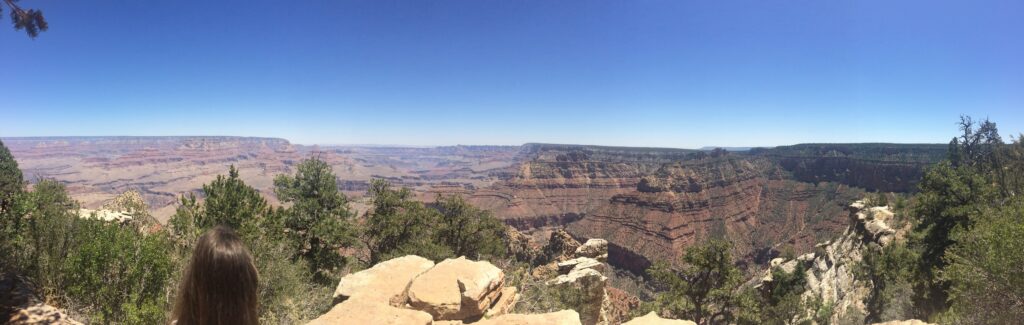
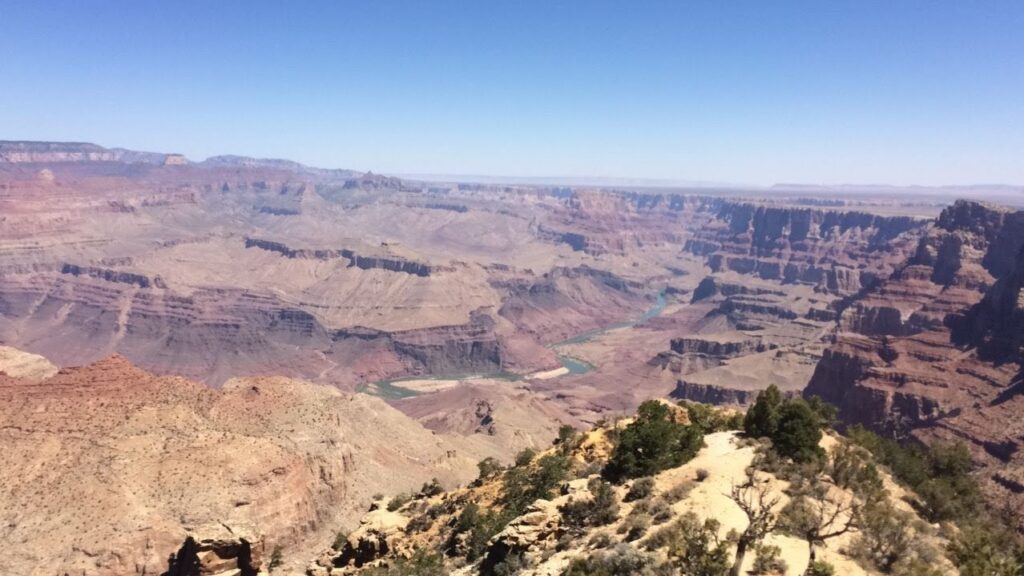
Like many first-time visitors, we had seen countless photos before arriving, but nothing prepared us for that moment when we stepped up to the rim and looked out across the canyon for the first time. The sheer size, colorful rock layers, and seemingly endless views made it easy to understand why millions of people travel from around the world to experience it for themselves.
We enjoyed our visit so much that we returned to the area a few years later.
Whether you’re planning a quick stop on a Southwest road trip or several days of hiking and sightseeing, the South Rim offers something for every type of traveler.
In this guide, I’ll walk you through the best time to visit, how to get there, where to stay, and the top things to do so you can plan your own unforgettable Grand Canyon South Rim adventure.
Just a Heads up, friends!
Some of the links on this site are affiliate links. That means if you click through and make a purchase, I may earn a small commission at no extra cost to you. It’s like tossing a few coins in my tip jar to help fund my next cup of road trip coffee.
I only recommend products, places, and gear I genuinely love and would take with me on adventures. So, thank you for supporting Tiffany Denae – one caffeinated click at a time!
History of the Grand Canyon South Rim
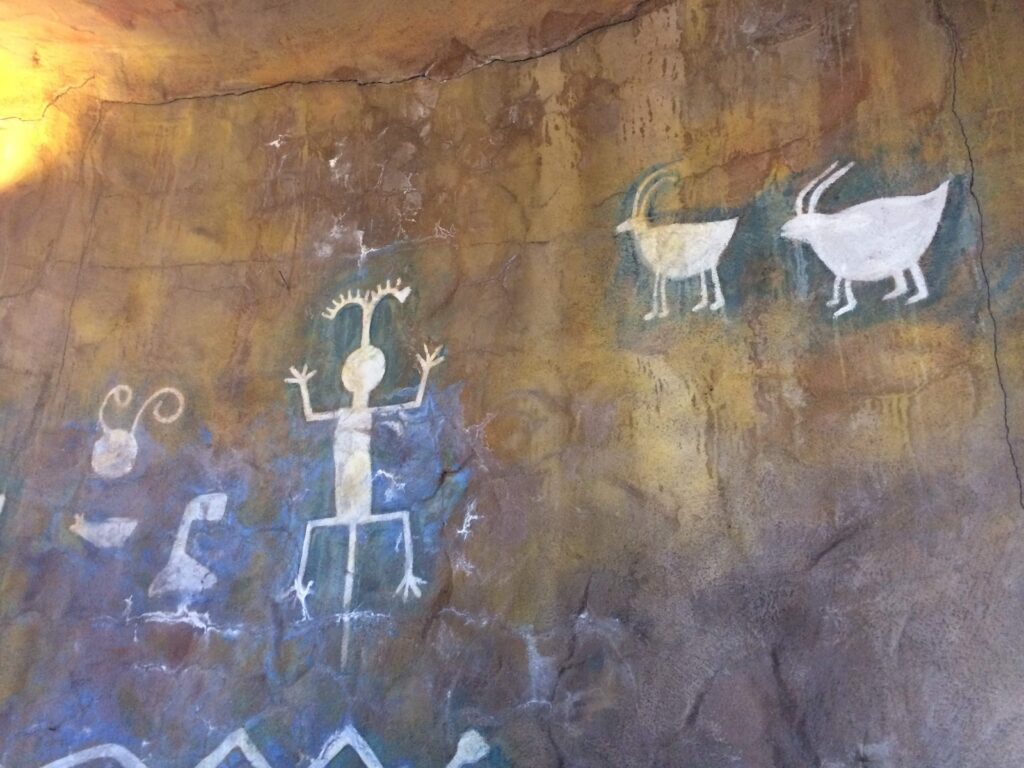
For at least 13,000 years, the canyon has been home to various Native American tribes, including the Hopi, Navajo, Havasupai, and Hualapai. In 1869, explorer and geologist John Wesley Powell led his historic expedition down the Colorado River, bringing national attention to the area.
By the 1880s, pioneers arrived along the rim to mine copper, but they quickly realized that charging eager sightseers for lodging and mule rides was far more profitable than extracting minerals. Its a good thing they did too because tourism exploded on September 17, 1901, when the Santa Fe Railway opened a direct train line to the South Rim, turning a remote outpost into the bustling Grand Canyon Village.
President Theodore Roosevelt visited in 1903 and understood the depths of what he was looking at, declaring that the canyon could not be improved upon. Later, he used federal powers to declare the area a National Monument in 1908. Eleven years late on February 26, Congress officially designated the Grand Canyon as a National Park.
When to Visit the Grand Canyon South Rim
| Month | Temperature |
| January | 41*F/15*F |
| February | 47*F/18*F |
| March | 55*F/22*F |
| April | 62*F/26*F |
| May | 71*F/31*F |
| June | 83*F/39*F |
| July | 84*F/50*F |
| August | 82*F/49*F |
| September | 76*F/42*F |
| October | 64*F/32*F |
| November | 51*F/22*F |
| December | 44*F/16*F |
Spring: This is probably the best time to visit the Grand Canyon South Rim, especially from March to May, when temperatures are usually mild, wildflowers are blooming, and crowds are smaller.
Summer: Summer is the busiest season, as families flock to the park while kids are out of school, so go in knowing there may be larger crowds, longer shuttle lines, and higher hotel prices. The South Rim stays relatively comfortable thanks to its elevation, but occasionally temperatures do rise to over 100°F. If you visit during this season, the best time to hike and explore is the early morning and evening hours.
Fall: Naturally, fall is another great time to visit, as the crowds die down with students back in school, and it doesn’t hurt that the leaves are changing colors as well! Hiking is enjoyable in the midday, and many travelers consider the sunsets especially stunning this time of year.
Winter: Winter at the Grand Canyon South Rim feels different from the busier months, with snow dust on the canyon rims. Keep in mind the temperatures are very cold, especially in the mornings and evenings, and some roads may close due to snowstorms.
Getting to the Grand Canyon South Rim
Flying
There are three ways to do this, really, and it depends on your goals while you’re at the canyon
Option 1: The Phoenix Gateway
Flying into Phoenix Sky Harbor International Airport (PHX) is the most common choice because it offers the most flight options, lower fares, and plenty of rental car options.
- Flight: Fly directly into Phoenix Sky Harbor Airport (PHX).
- The Drive: Approximately 3.5 to 4 hours (about 230 miles).
- The Direct Route: Take Interstate 17 North to Flagstaff, then hop on US-180 North directly to the South Rim.
- The Scenic Route: Take I-17 North but exit early onto AZ-179 to drive through the world-famous red rocks of Sedona. Continue north on AZ-89A up to Flagstaff, then take US-180 to the park
Option 2: The Las Vegas Gateway
Flying into Harry Reid International Airport (LAS) in Las Vegas is an excellent option if you want to combine your trip with the Hoover Dam, Route 66, or Utah’s national parks.
- Flight: Fly into Harry Reid International Airport (LAS).
- The Drive: Approximately 4.5 to 5 hours (about 275 miles).
- The Route: Take US-93 South out of Las Vegas, crossing the Mike O’Callaghan-Pat Tillman Memorial Bridge right next to the Hoover Dam.
Merge onto I-40 East in Kingman, drive to the historic town of Williams, and head North on AZ-64 straight into the South Rim entrance.
- The Route: Take US-93 South out of Las Vegas, crossing the Mike O’Callaghan-Pat Tillman Memorial Bridge right next to the Hoover Dam.
Option 3: The Flagstaff Gateway
Flagstaff Pulliam Airport (FLG) is the absolute closest commercial airport to the South Rim, making it perfect if you want to keep your time behind the wheel to a minimum.
- Flight: Book a regional connection to Flagstaff Pulliam Airport (FLG), usually via American Airlines, with a stop in a major hub like Phoenix (PHX) or Dallas-Fort Worth (DFW).
- The Drive: Only 1.5 hours (about 80–90 miles).
- The Route: Rent a car at the airport and take US-180 North through the scenic Coconino National Forest straight to the park.
Driving
Important Information
The South Rim has two entry points for vehicles
- The South Entrance (via the town of Tusayan), which leads directly to Grand Canyon Village.
- The East Entrance (at Desert View), which is much less crowded and offers immediate canyon views upon entering
From the South (Phoenix / Tucson)
This is the most heavily traveled route.
- Drive north on Interstate 17 from Phoenix until you reach Flagstaff.
- Catch Interstate 40 West toward Williams.
- Take Exit 165 in Williams and merge onto AZ-64 North.
- Follow AZ-64 North straight through Tusayan to enter via the South Entrance.
- Alternative Local Tip: For a more forested drive, exit I-17 in Flagstaff and take US-180 North. It intersects with AZ-64 North in Valle, leading to the same entrance
From the West (Las Vegas / California)
This route brings readers across the Mojave Desert and onto historic corridors.
- Take US-93 South out of Las Vegas, crossing over the Hoover Dam bypass bridge into Arizona.
- In Kingman, merge onto Interstate 40 East.
- Stay on I-40 East until you hit the historic town of Williams.
- Take Exit 165 and head north on AZ-64 North directly to the South Entrance.
From the East (New Mexico / Albuquerque / Monument Valley)
This is an incredibly scenic route that avoids the major traffic jams of the main South Entrance.
- From the I-40 corridor or Monument Valley area, navigate toward the town of Cameron, Arizona via US-89.
- In Cameron, exit onto AZ-64 West.
- Drive west for about 30 miles across the Navajo Nation.
- Enter the park through the East Entrance (Desert View). Readers can then drive the scenic 26 miles along the rim to reach the main Grand Canyon Village
From the North (Utah / Page / Grand Canyon North Rim)
Because the Colorado River divides the canyon, driving from the North Rim to the South Rim requires a 4-hour detour around the entire gorge. []
- From Utah or the North Rim, take AZ-67 North to the historic outpost of Jacob Lake.
- Turn right onto US-89A East, driving past Marble Canyon and crossing the Colorado River via Navajo Bridge.
- Merge onto US-89 South at Bitter Springs and continue south through Page and down to Cameron.
- In Cameron, turn right onto AZ-64 West to enter via the East Entrance.
Where to Stay in the Grand Canyon South Rim
Camping in the Grand Canyon South Rim
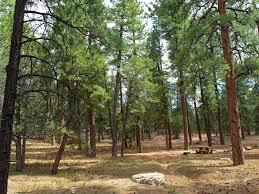
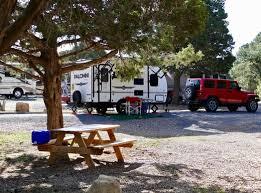
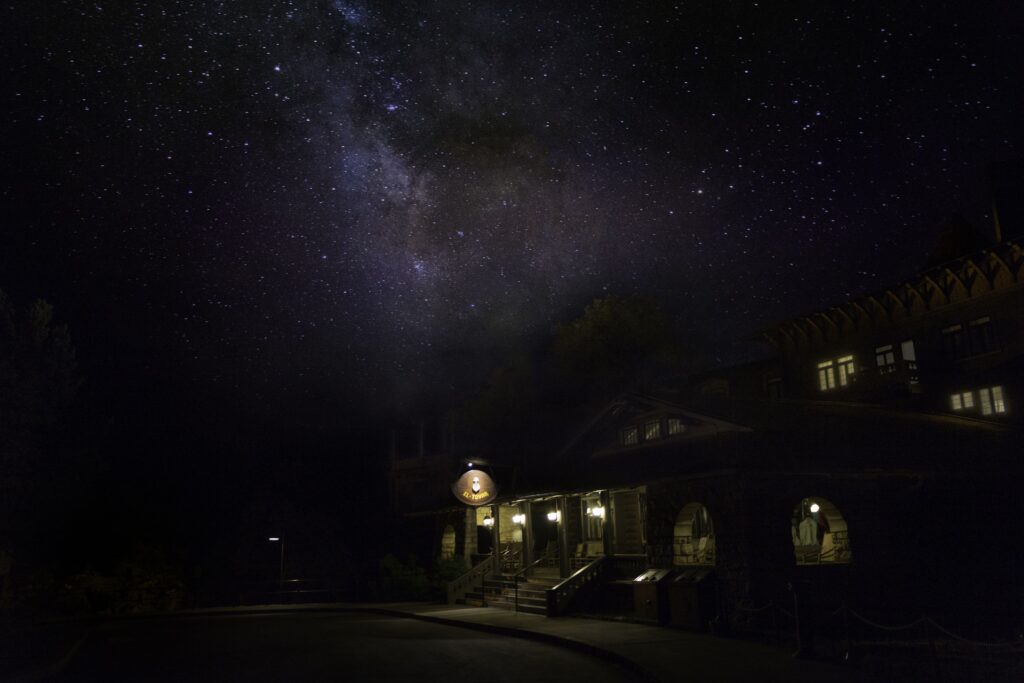
I highly recommend staying in the Grand Canyon South Rim if you can. They have several options, including tent and RV campgrounds, both seasonal and year-round. This really allows you to spend more time in the area and see it in all its beauty (still thinking about those night skies!).
Hotels Near the Grand Canyon South Rim
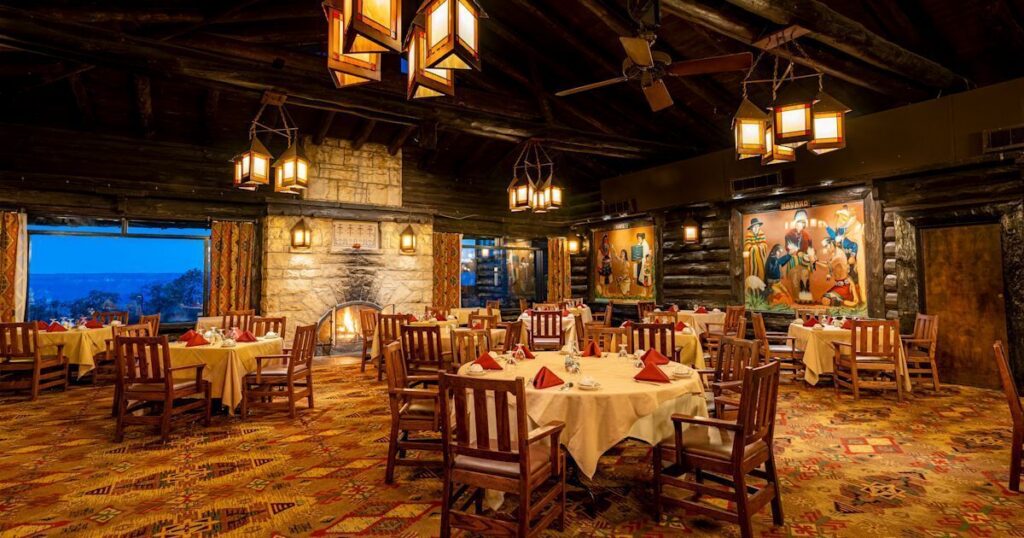
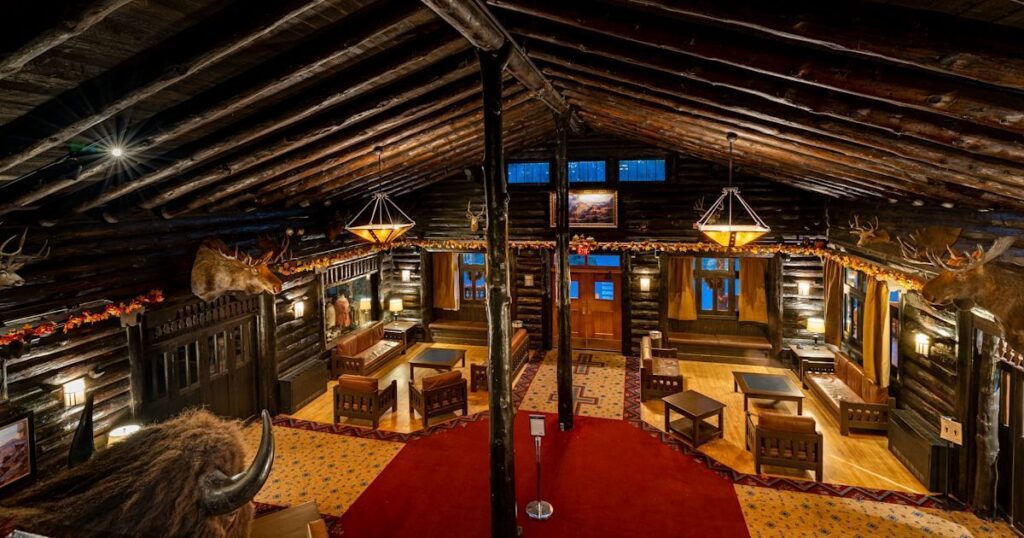
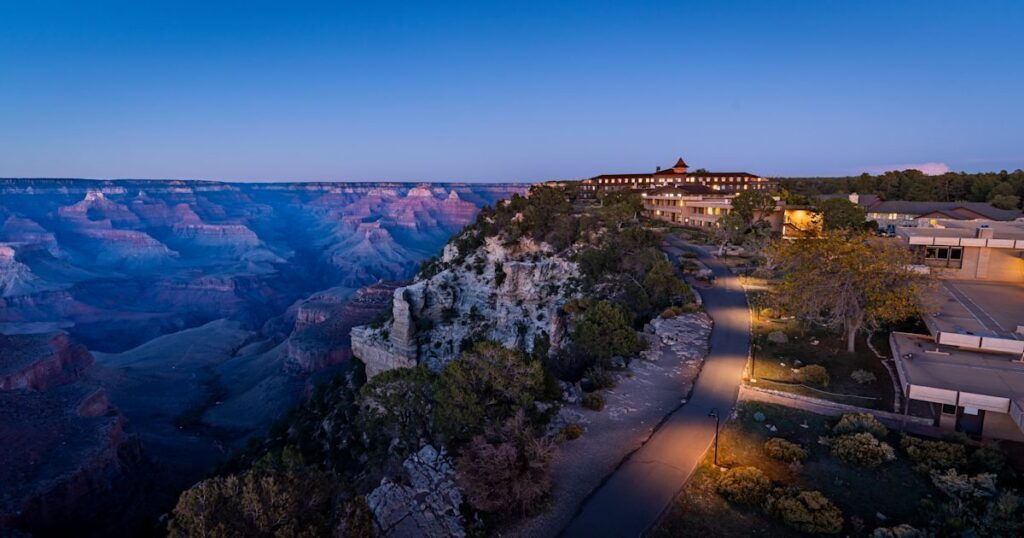
El Tovar Inside the Park
Since we’re talking about being inside the park, let’s talk hotels. Opened in 1905, this iconic lodge sits just steps from the canyon rim and is considered the premier lodging option inside Grand Canyon National Park. Built from native stone and Oregon pine and has attracted everyone from Theodore Roosevelt to Albert Einstein over the years. The hotel also features the renowned El Tovar Dining Room, where you can enjoy a meal before or after a day of exploring the canyon.
I recommend El Tovar for travelers who want to immerse themselves in the history and atmosphere of the Grand Canyon South Rim. I’ll be honest, it’s probably not the most family-friendly since there are no added amenities, but if you’re an adult looking for a truly elevated experience that you won’t get anywhere else, this is it!

Holiday Inn Resort The squire at the Grand Canyon
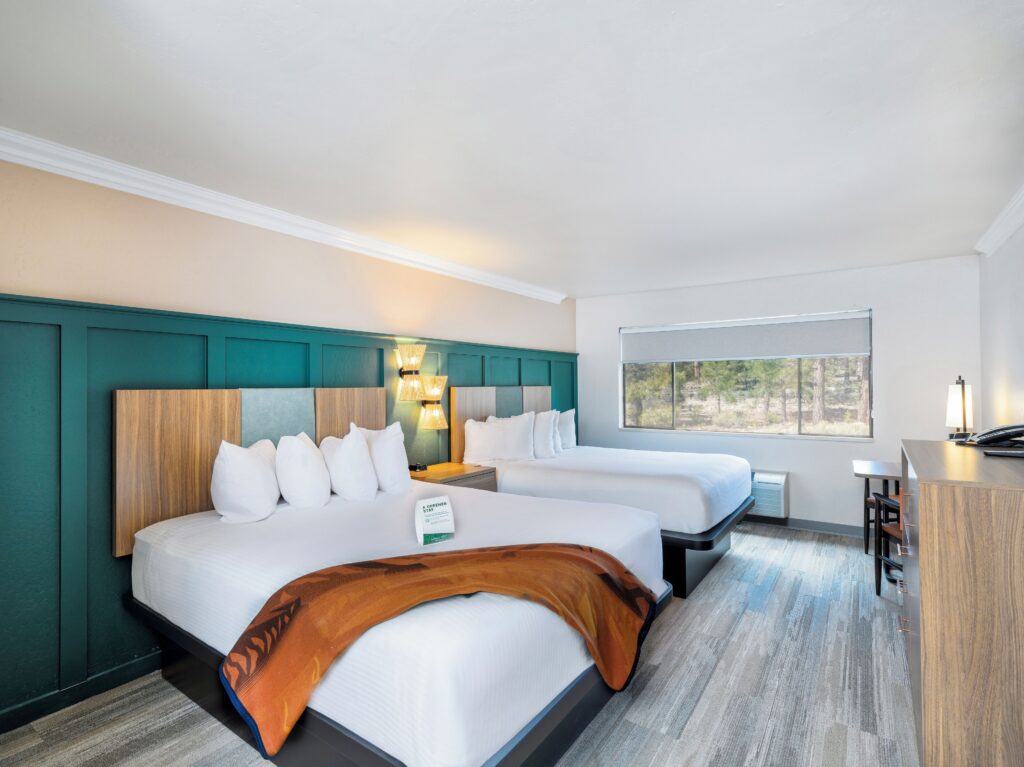
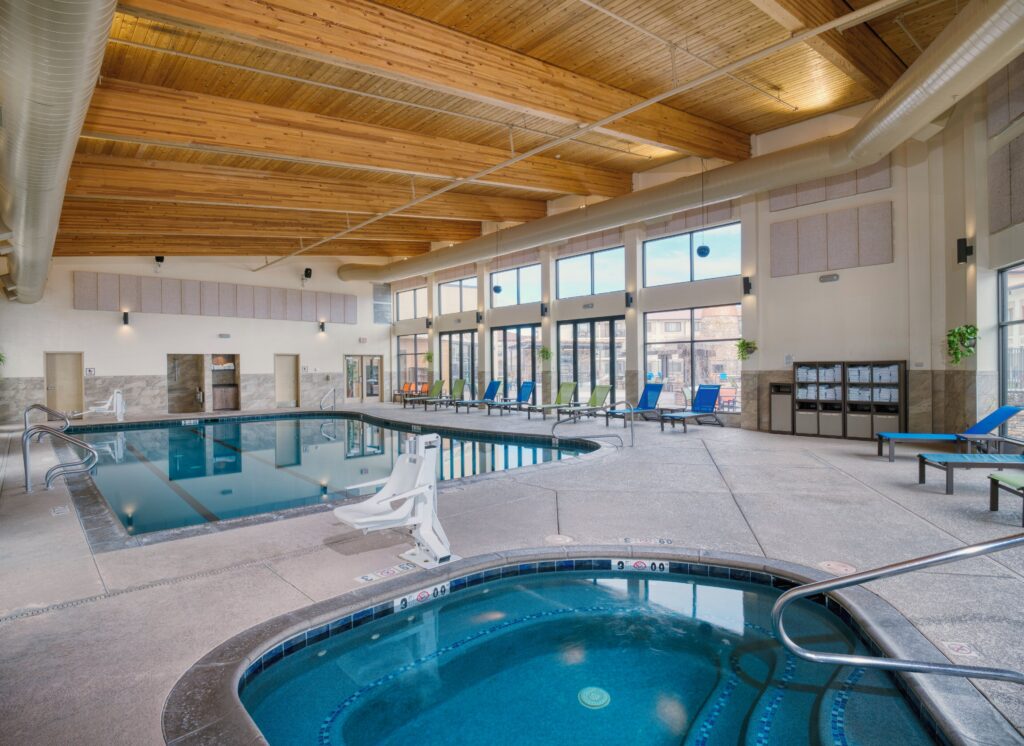
If you like knowing exactly what you’re getting when you travel, the Holiday Inn Resort The Squire at Grand Canyon is worth considering. Since it is part of a well-known hotel chain, it offers the familiar comforts and consistency many travelers appreciate, while still just minutes from the South Rim entrance. This is also a great choice for families, thanks to its spacious rooms, with some layouts even offering bunk beds.
After exploring the Grand Canyon South Rim, you can unwind in the indoor or outdoor pool, soak in the hot tub, or simply relax at the resort. The combination of family-friendly amenities, comfortable accommodations, and a convenient location makes this a solid option if you’re looking for a hotel that feels familiar yet keeps you close to one of America’s most spectacular natural wonders.

Home Rental
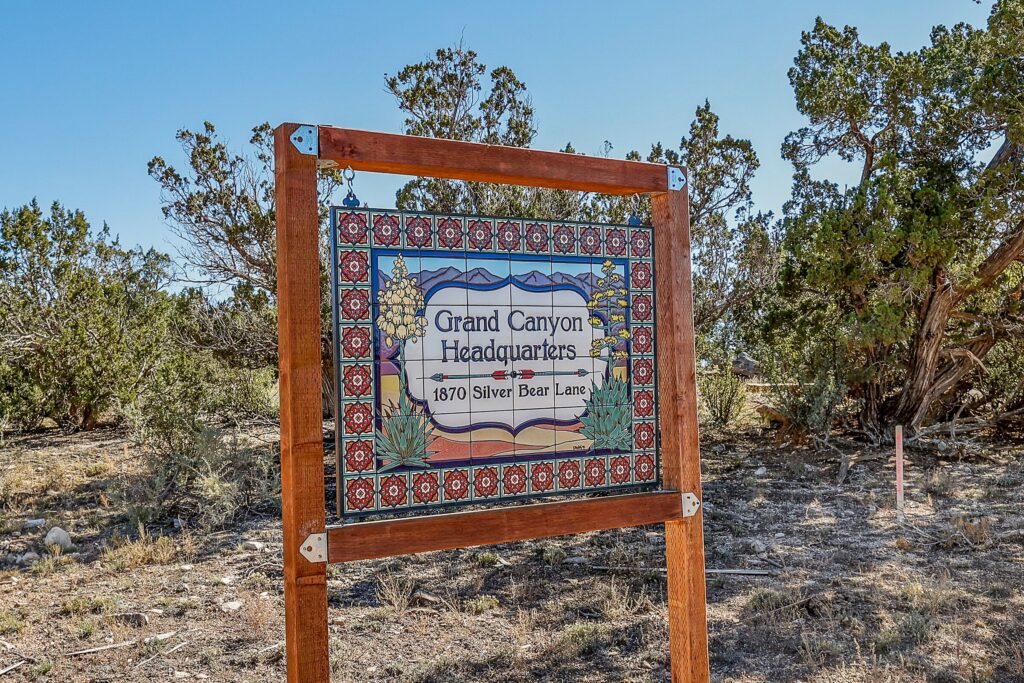
The Grand Canyon Headquarters
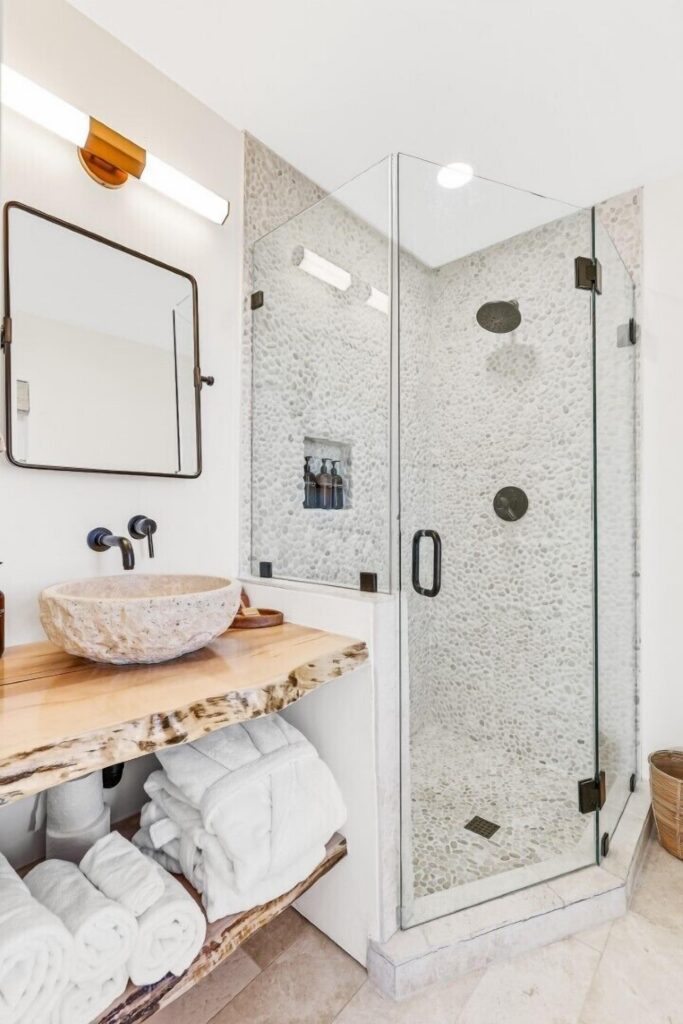
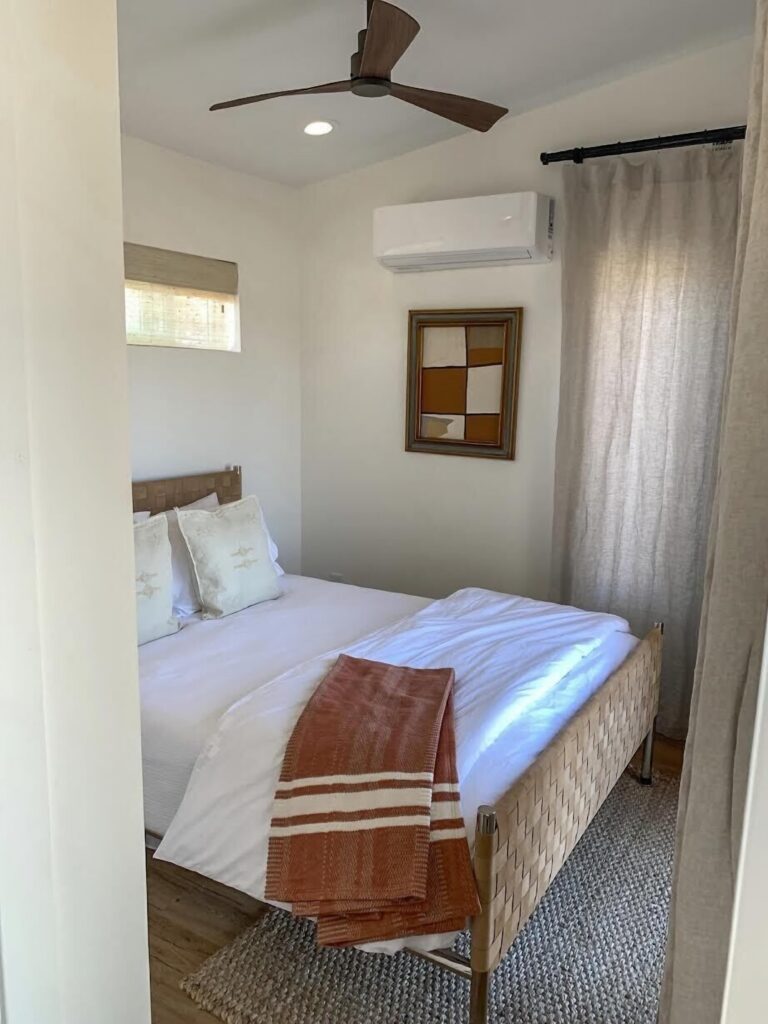
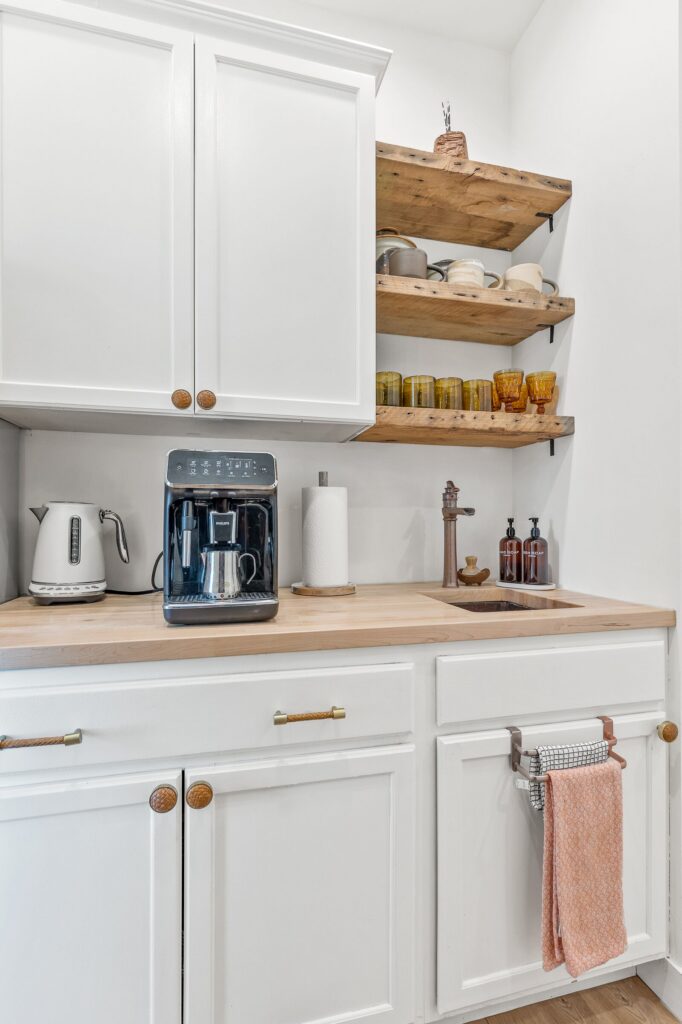
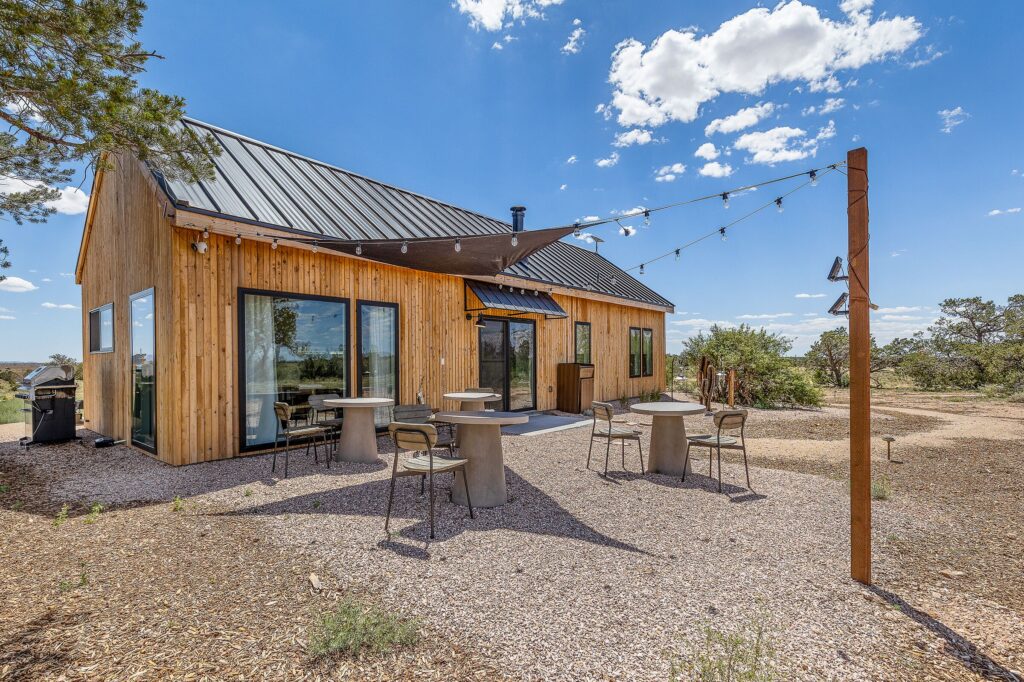
Are you looking for something a little different from a traditional hotel? The Grand Canyon Headquarters offers a peaceful glamping experience near Williams, Arizona.
Instead of standard hotel rooms, you’ll stay in a private cabin-style accommodation that allows you to enjoy the beauty of Northern Arizona while still having many of the comforts you’d want after a day of exploring. It’s a great option if you enjoy being surrounded by nature but aren’t interested in pitching a tent or roughing it. Added bonus? The location is on Route 66 as well!
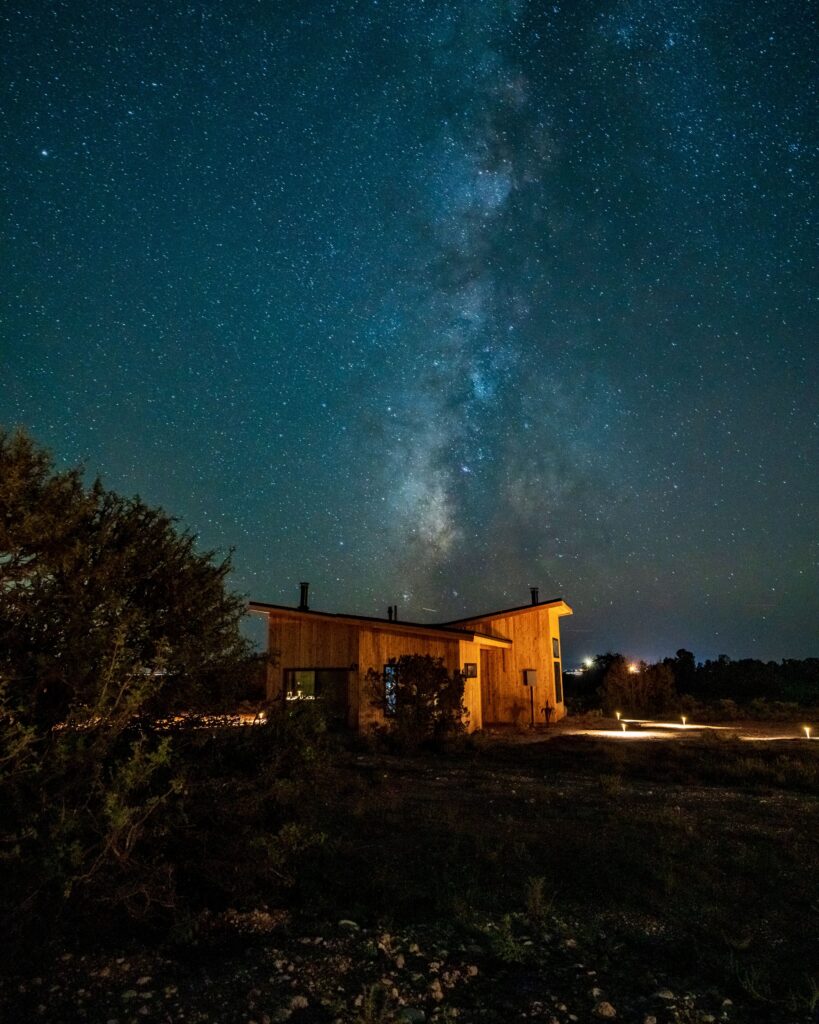
One of the biggest highlights of staying here is the night sky. Far from the bright lights of the city, you’ll have the chance to experience incredible stargazing from dusk until dawn. On clear nights, the stars seem to stretch endlessly across the sky. If you’re looking to slow down, unplug, and enjoy the region’s natural beauty, this can be a wonderful home base for your Grand Canyon adventure.
How Much Time to Spend at the Grand Canyon South Rim
If you’re visiting the Grand Canyon South Rim for the first time, I recommend setting aside at least one full day. That will give you enough time to visit several viewpoints, walk part of the Rim Trail, explore the visitor center, and catch either sunrise or sunset over the canyon. You’ll be able to see the highlights without feeling like you’re rushing from one stop to the next.
In all honesty, though, two to three days is even better. This gives you time to slow down, take a longer hike, explore Desert View Drive, and experience how the canyon changes throughout the day. The colors at sunrise look completely different from those at sunset, and both are worth seeing!
On a road trip and just passing through? Don’t skip the Grand Canyon South Rim altogether. Even four to six hours is enough time to visit a few overlooks, walk along the rim, and get a feel for how massive this place is. If you’re anything like me, though, you will end up wanting to come back to check it out further!
One of my goals is to spend at least one night near the South Rim. Watching the sun set over the canyon and then seeing it again at sunrise the next morning is one of those travel experiences I can’t wait to experience.
Tips for Visiting the Grand Canyon South Rim
- Arrive early. The South Rim is the most visited area of the Grand Canyon, and parking lots can fill quickly, especially during spring break, summer, and holiday weekends. Getting an early start will help you avoid crowds and enjoy cooler temperatures.
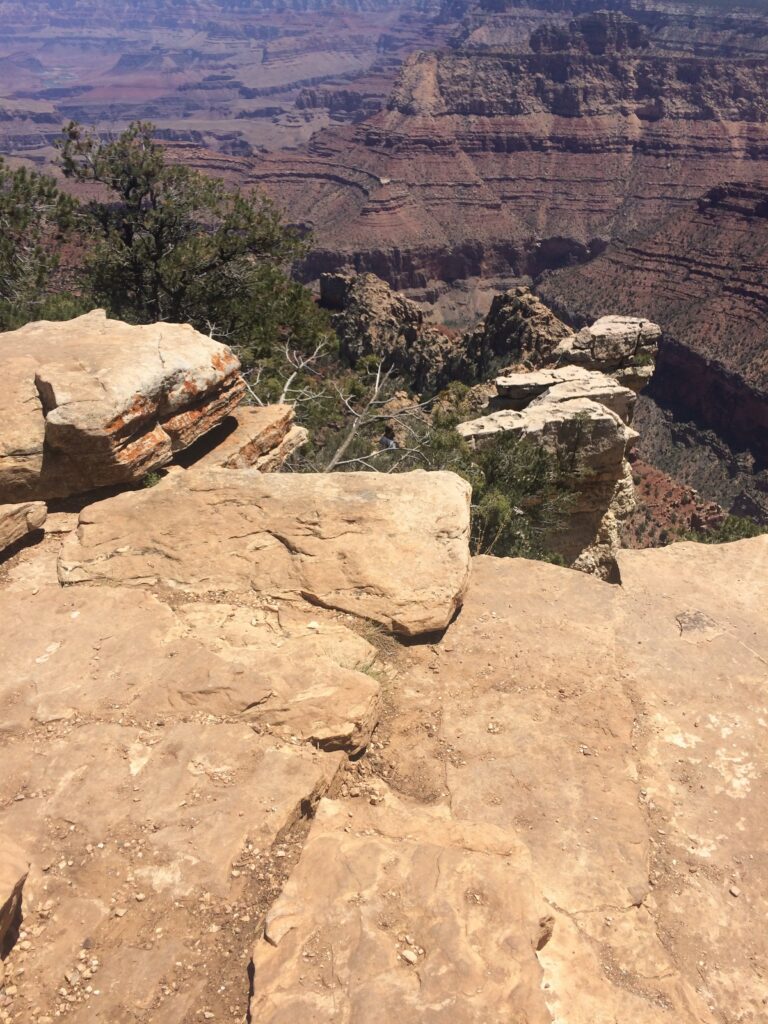
- Don’t underestimate the elevation. The South Rim sits at about 7,000 feet above sea level. You may notice that you’re more easily winded than usual, especially if you’re coming from lower elevations. Take it easy on your first day and drink plenty of water. And if you’re getting on any cliffs, be careful (I hope he left his wallet in the car…).
- Carry more water than you think you’ll need. The dry Arizona climate can be dehydrating even when temperatures feel comfortable. This is especially important if you plan to hike below the rim.
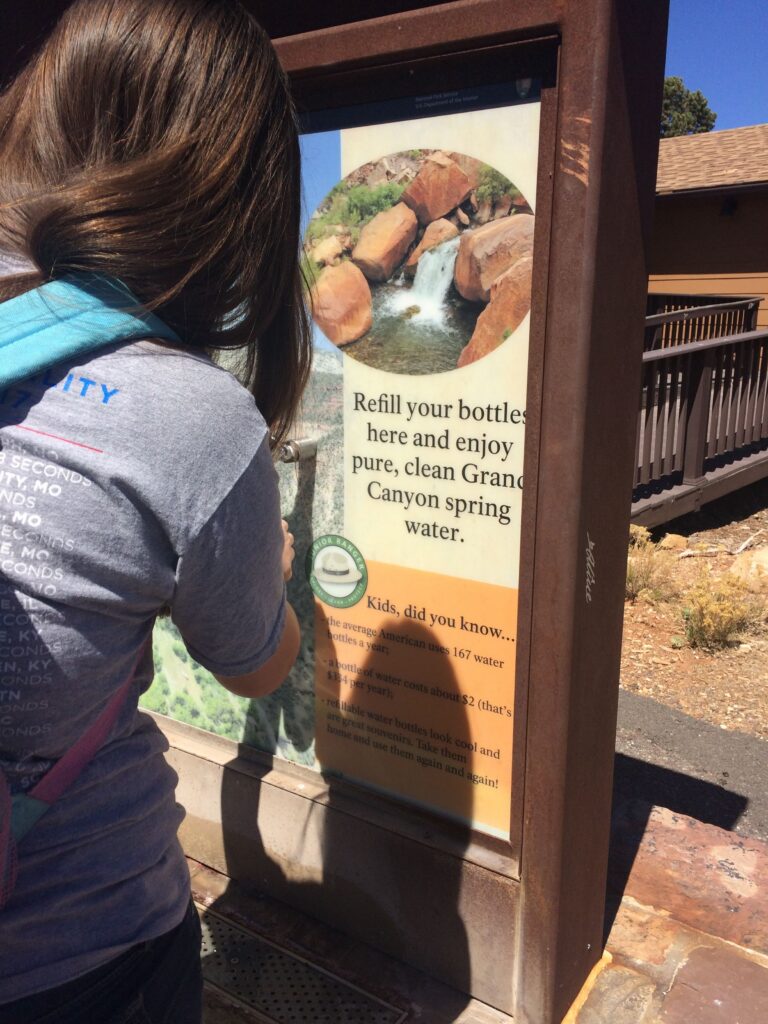
If you are going to the visitors center, they do have refill stations! - Wear layers. Temperatures can vary significantly throughout the day. Mornings and evenings are often chilly, while afternoons can be warm, particularly during spring and fall.
- Use the free shuttle system. The park’s shuttle buses make it easy to visit popular viewpoints without worrying about parking. During busy times of the year, they can save you a lot of time and frustration.
- Plan to watch both sunrise and sunset if you can. The canyon’s colors change as the light shifts throughout the day.
- Stay behind railings and respect warning signs. It may seem obvious, but every year, visitors are injured by getting too close to the edge for photos. No picture is worth the risk.
- Download maps before you arrive. Cell service can be spotty throughout the park, especially once you leave the village area. Having maps and reservation information saved to your phone can be a lifesaver.
- Give yourself time to take it all in. It’s easy to focus on checking viewpoints off a list, but some of my favorite Grand Canyon South Rim memories came from the unexpected. The canyon has a way of making you slow down and appreciate the scale of the world around you.

Things To Do at the Grand Canyon South Rim
The South Rim is packed with things to do, whether you’re looking for a quick sightseeing stop or several days of adventure. One of the best ways to experience the canyon is to explore the many viewpoints along the rim. Popular overlooks like Mather Point, Yavapai Point, and Desert View offer breathtaking views and are easily accessible for most visitors.
If you enjoy hiking, you’ll find trails for every skill level. The Rim Trail is a relatively easy walk that follows the edge of the canyon and provides incredible views along the way.
For a more challenging adventure, consider hiking a portion of the Bright Angel Trail or South Kaibab Trail. Just remember that hiking down into the canyon is much easier than hiking back up, so plan accordingly and carry plenty of water.
Be sure to spend some time exploring the Grand Canyon Village. Here you’ll find museums, visitor centers, gift shops, and buildings that tell the story of the park’s early days. The area is also a great place to learn more about the canyon’s geology, wildlife, and cultural history.
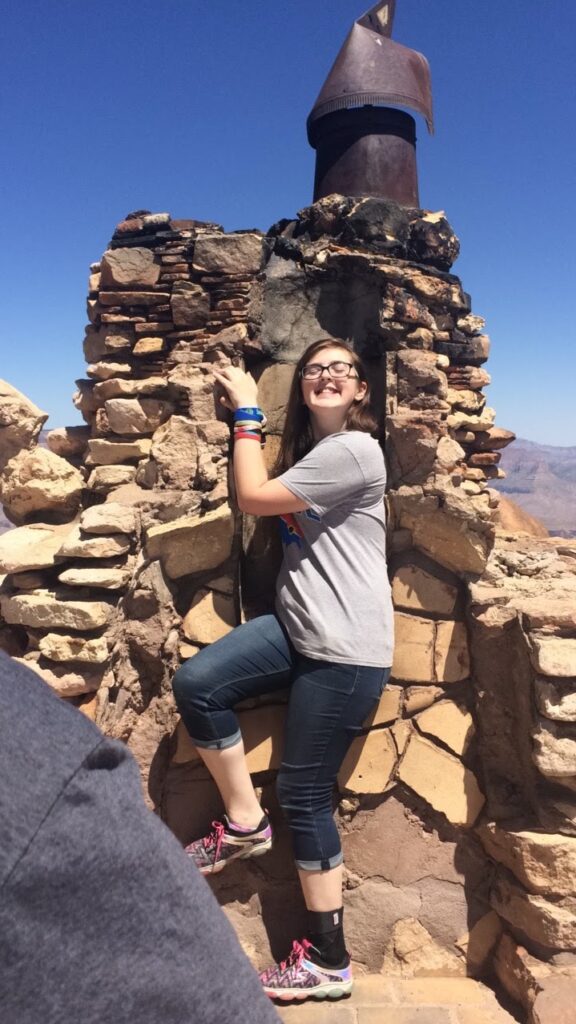
Another must-do is driving Desert View Drive, the scenic route that stretches between Grand Canyon Village and the East Entrance. The road features several spectacular overlooks and leads to the Desert View Watchtower, one of the most recognized landmarks in the park.
Finally, make time for sunrise, sunset, and stargazing. The canyon’s colors change throughout the day, creating a different experience every few hours. If you’re spending the night, step outside after dark and look up. The Grand Canyon is recognized for its dark skies, making it one of the best places in the country to see the stars.
In Summary…
The girls and I have been to the Grand Canyon twice, and our first visit was to the South Rim. It was a great way to get our feet wet, if you will. I feel like with everything I do, I want a do-over. I want to spend more time learning the area. At the same time, I hope this review helps you to know where to go and what to do on your visit.
Are you visiting the North Rim? Be sure to check out my post on it!
