
Your Guide to Waco, Texas: All You Need to Know
When we moved to Hillsboro in 2017, we began visiting Waco more frequently than Dallas, and we fell in love with its small-town charm. So, what better than to give you a guide to Waco – straight from a local! If you’ve ever thought about going to this town that’s perfectly situated between Dallas and Austin, pack your bags and let’s go!
Just a Heads up, friends!
Some of the links on this site are affiliate links. That means if you click through and make a purchase, I may earn a small commission at no extra cost to you. It’s like tossing a few coins in my tip jar to help fund my next cup of road trip coffee.
I only recommend products, places, and gear I genuinely love and would take with me on adventures. So, thank you for supporting Tiffany Denae – one caffeinated click at a time!
Guide to Waco: History
Waco has a rich and complex history that stretches back thousands of years.
Long before it was a city, the area was home to the Waco (Hueco) Native American tribe, who lived along the Brazos River. In the mid-1800s, settlers arrived and established what would become the city of Waco.
Thanks to its central location and proximity to the river, it quickly grew into a key hub for agriculture, trade, and eventually railroads. By the late 1800s, Waco was one of the largest cities in Texas and even boasted the first suspension bridge across the Brazos River, which you can still walk across today (more on that later).
Over the years, Waco has seen both triumph and tragedy. It’s known for its educational institutions, such as Baylor University, one of the oldest universities in the state. It has also been shaped by events ranging from devastating tornadoes to major moments in national headlines.
Through it all, Waco has remained a city full of resilience, culture, and growth. Today, it blends its historic charm with a fresh energy, thanks in part to the Gaines family’s Magnolia empire and a wave of new restaurants, shops, and experiences that continue to put Waco on the map.
Guide to Waco: What to Pack
Packing for Waco depends somewhat on the season, but there are a few essentials that you’ll want, regardless of when you visit.
Year-Round Must-Haves
- Comfy walking shoes: Whether you’re wandering the Magnolia Silos, strolling across the Suspension Bridge, or shopping at Spice Village, you’ll be on your feet a lot.
- Sunglasses + sunscreen: That Texas sun doesn’t mess around, even in the cooler months.
- Refillable water bottle: Convenient if you’re hitting the trails at Cameron Park or spending the day exploring downtown.
- Casual layers: Most places in Waco are pretty relaxed, so jeans, t-shirts, and a light sweater or denim jacket will suffice.
If You’re Visiting in Spring or Fall
- Light jacket or sweater: Mornings and evenings can be cool, even if the afternoons warm up.
- Allergy meds: Central Texas can be particularly rough on seasonal allergies when flowers are blooming or the weather is changing.
If You’re Visiting in Summer
- Breathable clothing: Opt for fabrics like cotton, linen, or moisture-wicking materials.
- Hat or baseball cap: For those hot afternoon strolls or food truck hangs.
- Swimwear: If you’re planning to kayak or paddleboard the Brazos River or your hotel has a pool.
If You’re Visiting in Winter
- Warm jacket or layers: While winters are mild, a cold front can still sneak in.
- Scarf and beanie: Just in case! Especially useful if you’re out at night at a Christmas event or holiday market.
Guide to Waco: Best Time to Visit
| Month | Temperatures |
| January | 58° / 34° |
| February | 62° / 38° |
| March | 69° / 46° |
| April | 77° / 54° |
| May | 84° / 63° |
| June | 91° / 71° |
| July | 95° / 74° |
| August | 96° / 74° |
| September | 90° / 67° |
| October | 80° / 55° |
| November | 69° / 45° |
| December | 60° / 37° |
Spring (March–May)
Spring in Waco is gorgeous.
The weather’s warm (but not “melt-your-face-off” hot), the bluebonnets are blooming along the highways, and it’s perfect for spending time outside. You can hike or bike at Cameron Park, walk across the Suspension Bridge, or soak in the sunshine while browsing the Waco Farmers Market.
Summer (June–August)
Okay, real talk: summer in Waco can be hot. Like, “bring-an-extra-shirt” hot.
However, if you don’t mind the heat and plan your day wisely, it can still be enjoyable. Go paddleboarding on the Brazos River in the morning, check out indoor spots like the Dr Pepper Museum, and treat yourself to an iced latte at one of the cute local coffee shops (trust me, you’ll need it).
Just stay hydrated and slap on that sunscreen.
Fall (September–November)
Fall is another great time to visit. The summer heat starts to subside (thank goodness), the leaves begin to change, and the crowds at the major tourist spots start to thin out. If you’re into football, Baylor games are full of energy. And if you time it right, you can hit Silobration—Magnolia’s annual fall festival with shopping, music, and more food than you can eat in one weekend.
Be sure to pack layers, as Texas weather is unpredictable.
Winter (December–February)
Winter in Waco is mild compared to most places. No snowstorms here (most of the time)—just chilly mornings and the occasional cold front. It’s a quieter time to visit, and if you’re into Christmas lights and festive vibes, Waco Wonderland and holiday decor at Magnolia are worth checking out.
Guide to Waco: Places to Stay
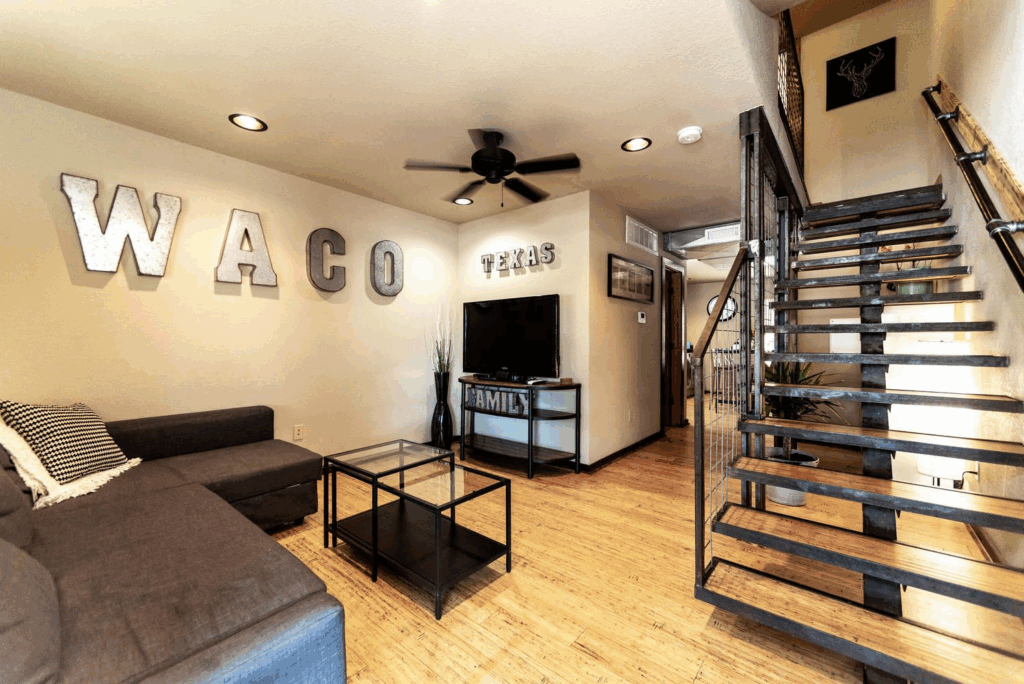
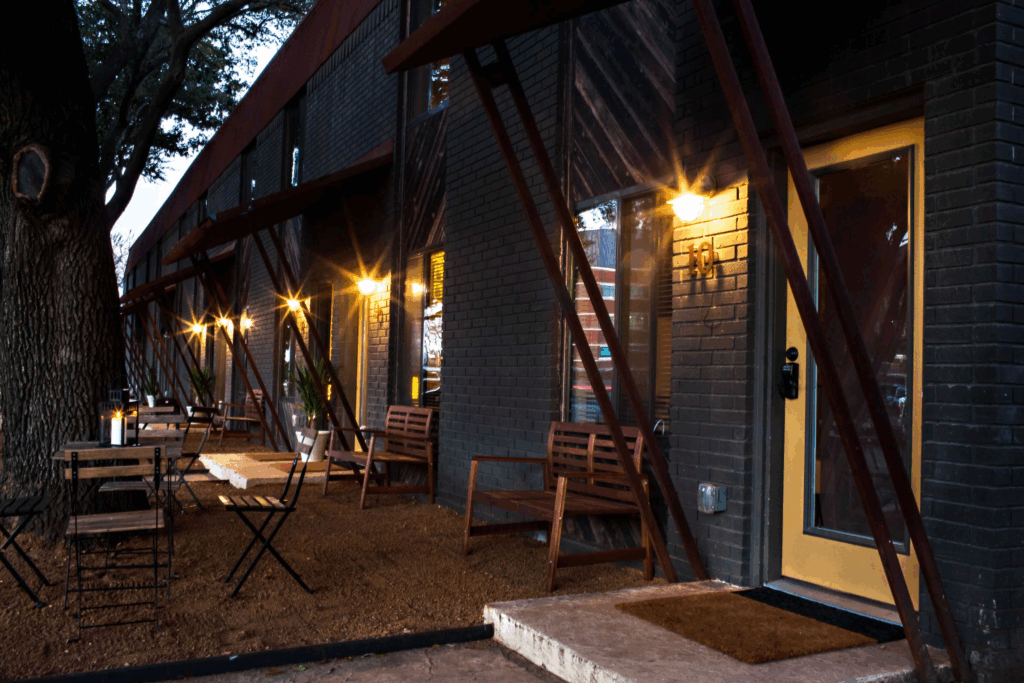
1700 South Second Street
This boutique condo-style lodging is located right on Baylor’s campus—just a short walk to downtown, the Silos, and the Brazos River. With fully appointed 2-bedroom, 2-bath units featuring full kitchens, in-unit laundry, patios, free Wi-Fi, and parking, it combines all the conveniences of home with the modern amenities of a hotel. The girls and I stayed here in March 2024 and had the best time.
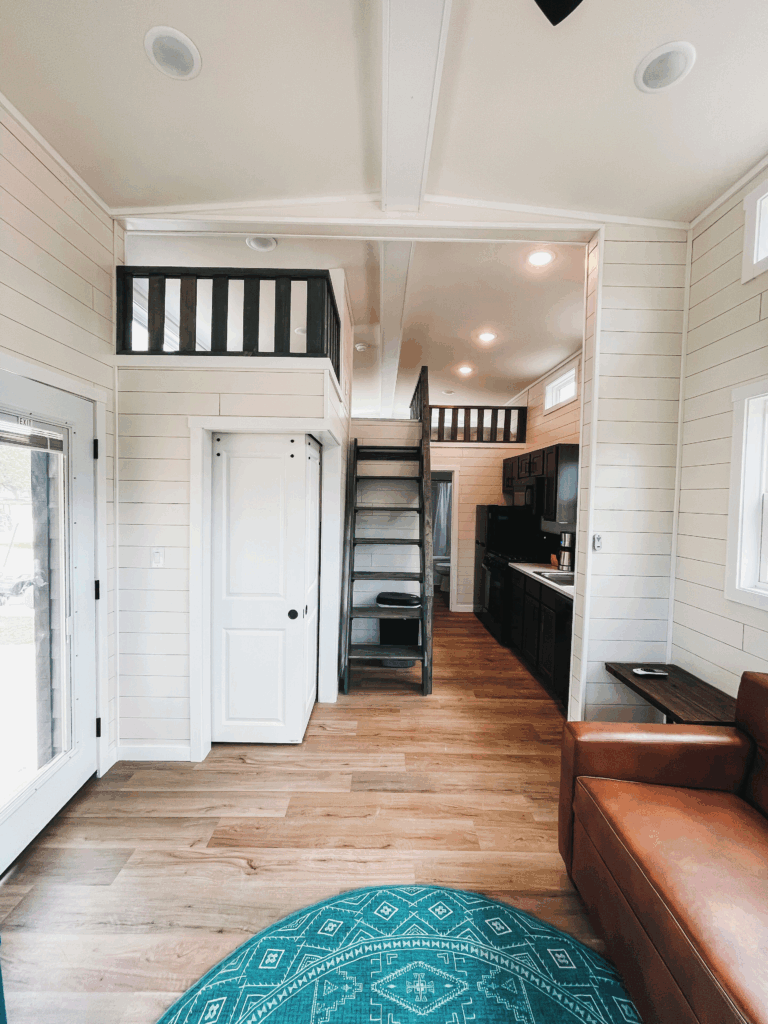
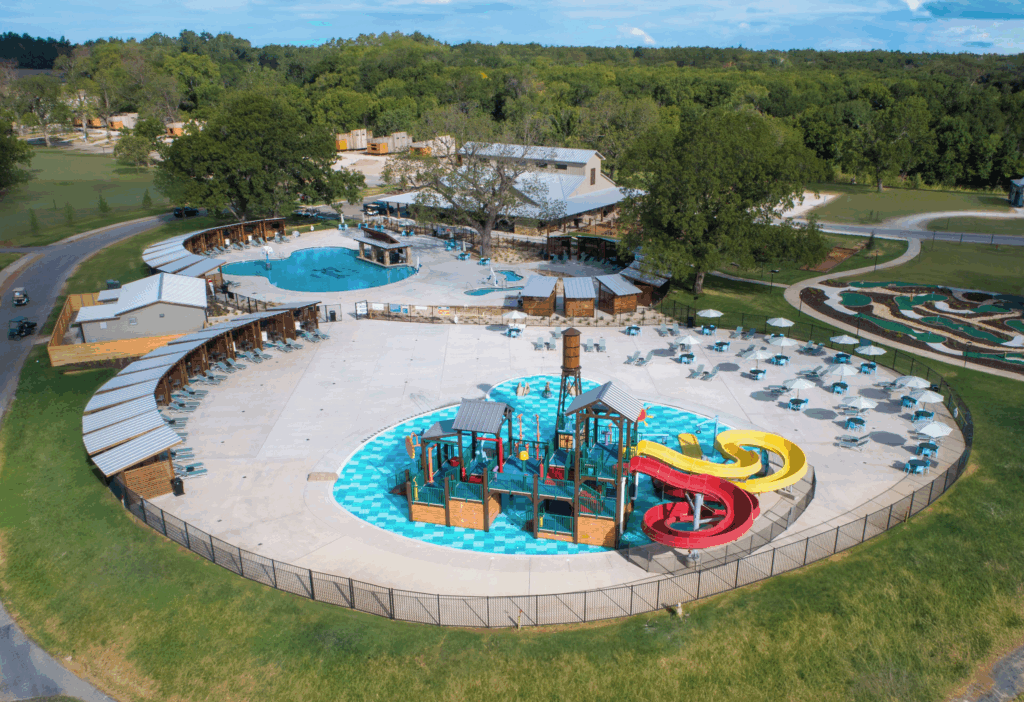
Camp Fimfo
Perched along the Bosque River about six miles from Magnolia Market, Camp Fimfo is a family-friendly resort-style campground offering cozy cabins (sleeping up to 11), a waterpark, seasonal pool, mini-golf, tavern, and more. It caters to both short getaways and extended stays, and guests rave about the clean cabins, friendly staff, and abundance of on-site amenities. If your looking for a guide to Waco that includes a stay you can enjoy for a day in itself- this would be the one!
Hotel Herringbone
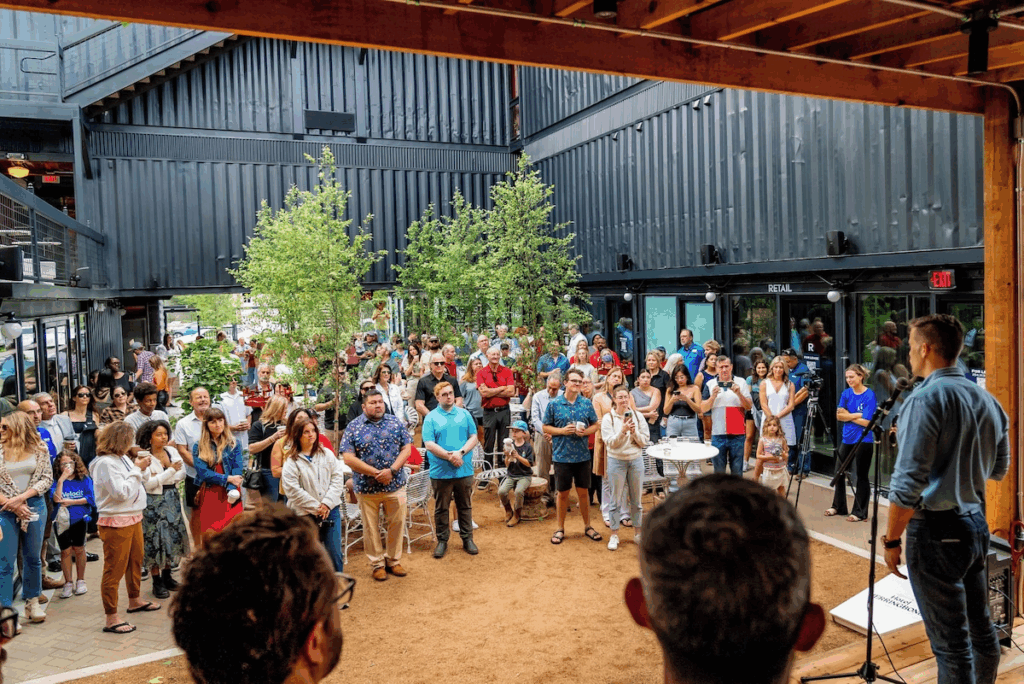
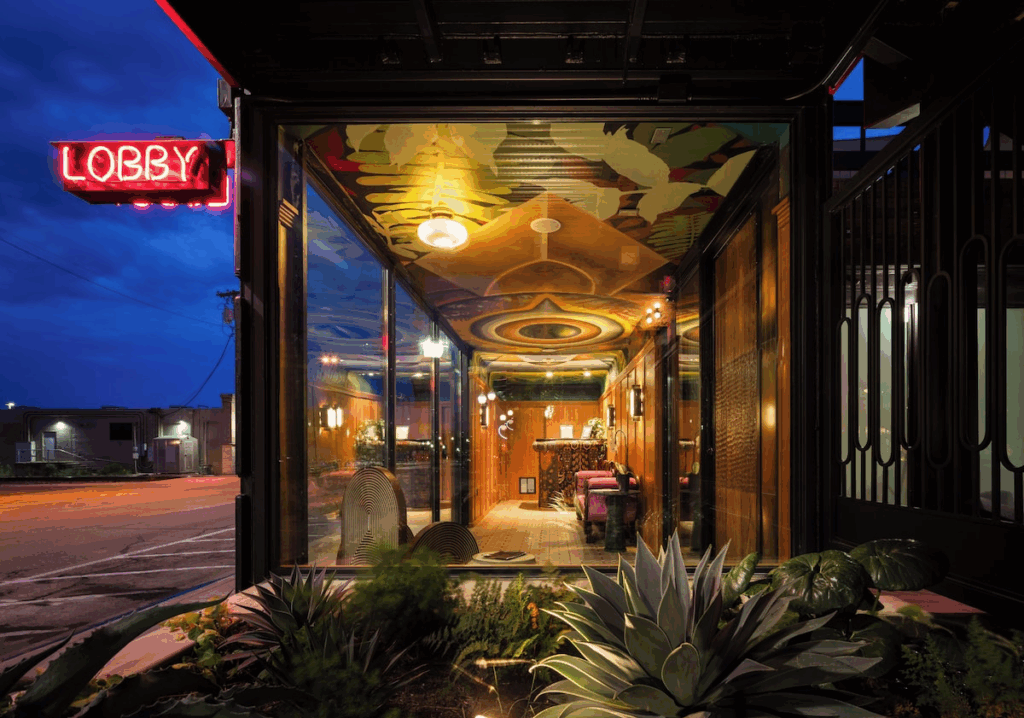
Located in the heart of downtown Waco, this upscale boutique hotel features 21 stylish rooms, along with multiple dining venues—like Lucky Buck’s rooftop bar, Red Herring restaurant, and live-music piano lounge. With chic, playful design and plenty of event space (over 5,000 sq ft), it’s an excellent pick for both leisure guests and those hosting meetings or small events.
Mother Neff State Park
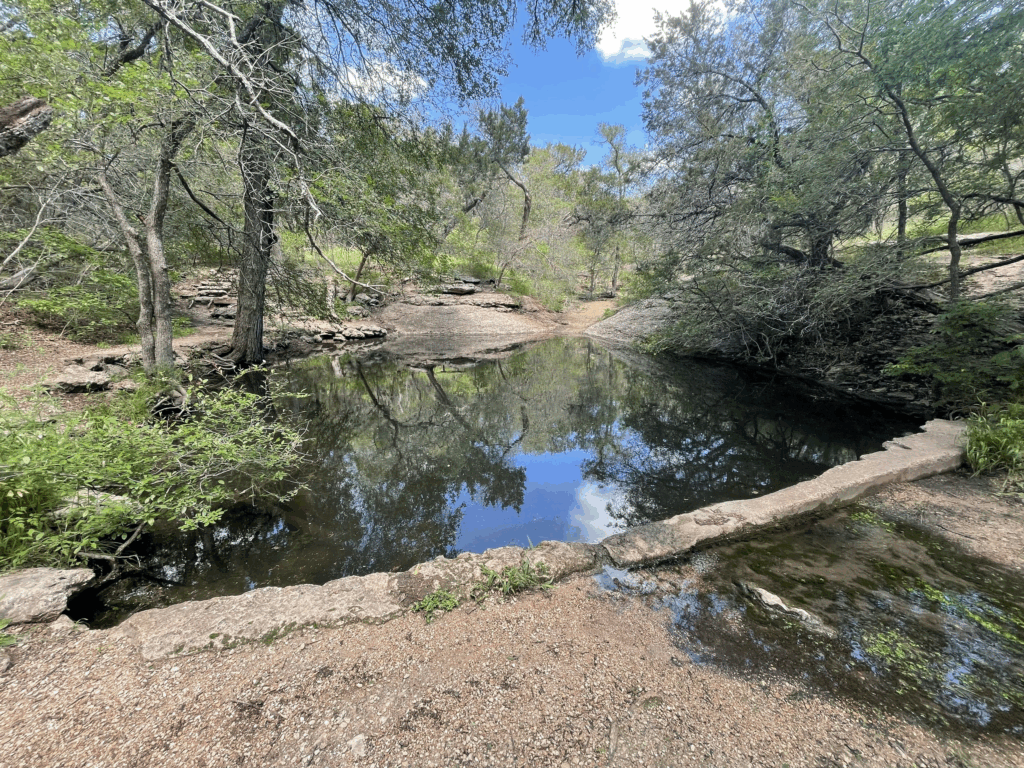
Camping here is a breeze, thanks to 20 full-hookup RV sites with spacious cement pads, clean ADA-access restrooms, and a scout‑camp‑style cabin for groups. With picnic areas, a kid‑friendly playground, interpretive center, and plenty of wildlife‑watching, it’s the perfect spot to unplug and unwind—plus dogs are welcome on the trails too.
Guide to Waco: Places to Eat
Coffee Shops
Heritage coffee
Owned by the Homestead Heritage group, this is their newest endeavor where they roast their own beans and make house-made syrups. You can enjoy your latte while sitting in the gardens or watching them work their magic with coffee (and chocolate)!
Common Grounds
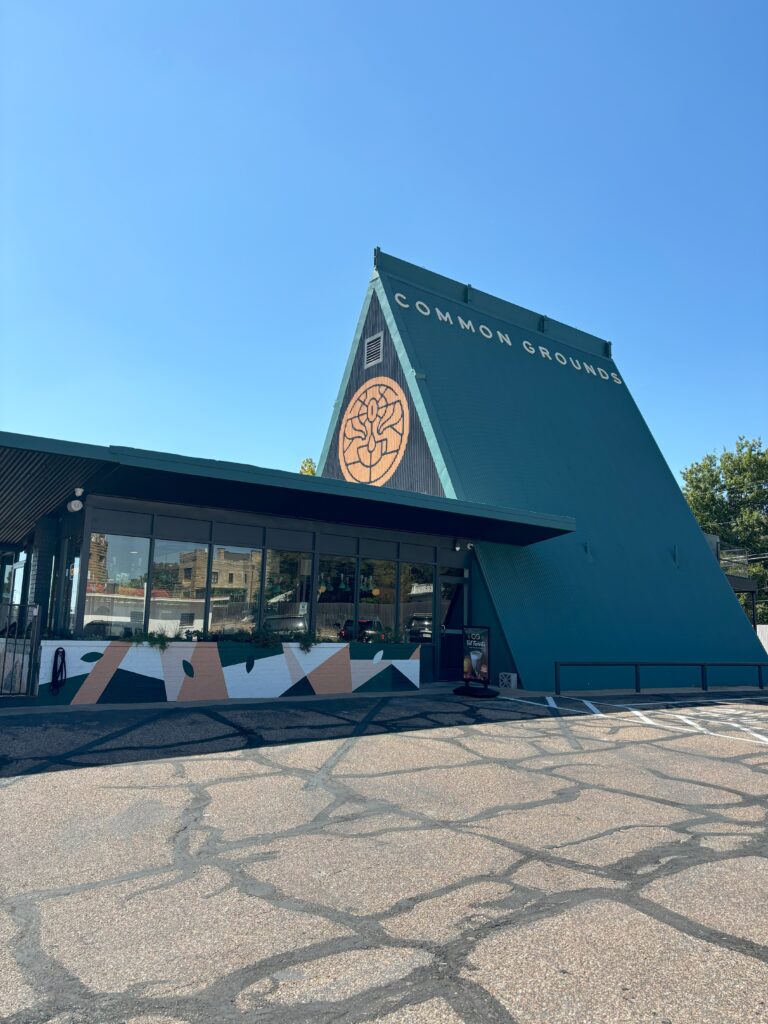
A Baylor University staple since 1994, Common Grounds serves excellent coffee and espresso in a laid-back, artsy space—complete with live music and plenty of spots to study or hang out. This is one of my favorite stops for coffee on the way to Austin, simply because it’s conveniently located right off I-35.
fabled bookshop and cafe
Part bookstore, part café, Fabled offers cozy corners to browse shelves or sip on a latte with your favorite read—plus a charming selection of gifts, beer, and wine. Added bonus? Many of their drinks are named after books. It’s a must-do in your guide to Waco.
For Keeps Coffee and Bakery
They put as much attention in their bakery as they do their coffee, which in today’s standards, I’ve found many restaurants can only excel at one or the other. For Keeps, though? They rock both!
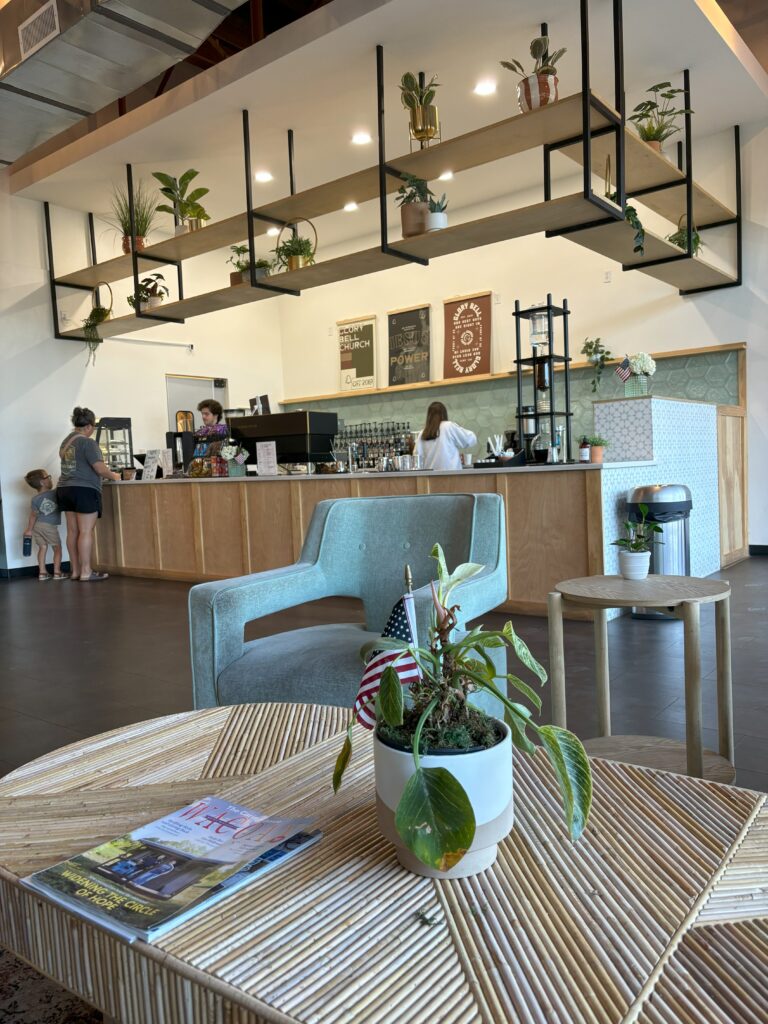
Glory Bell Coffee
Claiming one of the largest coffee shop spaces in Waco, Glory Bell offers organic, locally roasted beans, a family-friendly vibe with a kids’ nook, and even private rooms for meetups. This shop is Christian-based, and the music complements the atmosphere.
Not Coffee- But Worth Noting
Pop’s Lemonade
Located at 3428 Franklin Ave, Pop’s Lemonade is Waco’s go-to spot for fresh-squeezed lemonade, crafty frozen blends, and light bites like salads and sweet treats. It’s a cheery, yellow-doused stop amidst a stroll downtown or near the Silos, and perfect for cooling off with a tangy, thirst-quenching drink on a warm Texas afternoon of outings on your guide to Waco adventure.
Nightlight Donuts
Just a short drive south in Woodway, Nightlight Donuts & Coffee is turning heads with their croissant-style donuts and relaxed coffeehouse vibe. Visitors rave that it “makes the donut scene in Waco more diverse,” offering a stellar variety of flavors—from classic glazed to fruity-pebbles.
A couple of things to note, though: I only go here about once a year because it’s definitely on the sweet side. I mean, they fry a croissant- enough said! Also, don’t get their coffee. Remember what I said about For Keeps? Yeah… Nightlight does a great job at cronuts, not at coffee.
On the lighter side
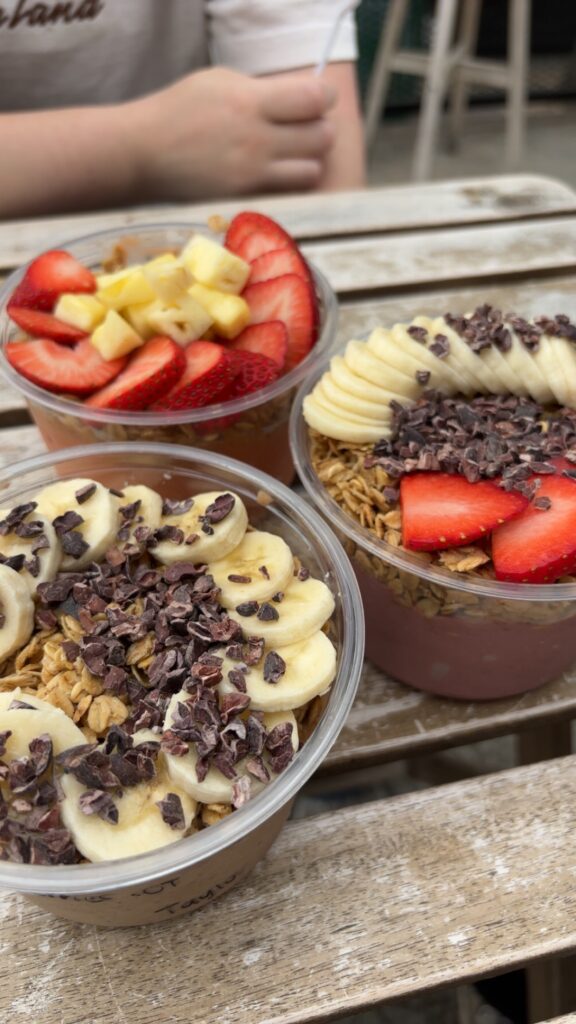
Mamaka Bowls
Mamaka Bowl is my go-to when I’m in town around lunchtime. This bright and breezy café serves up fresh, vibrant açaí and smoothie bowls crafted with high-quality ingredients, including fresh fruit, in-house granola, and almond milk. A local favorite—open daily from 8 AM to 8 PM—Mamaka offers a healthy pick-me-up or post-adventure treat.
Milo all day
Located downtown on Franklin Ave, Milo All Day offers scratch-made Southern-inspired dishes with a seasonal twist, using ingredients sourced from local farms. With brunch, dinner, a rooftop bar, and creative cocktails, it’s a relaxed stop when you’re craving comfort food that’s a little elevated.
Harvest on 25th
Nestled in the Castle Heights neighborhood, Harvest on 25th is a farm-to-table gem serving wholesome breakfast and lunch dishes. With a mostly plant-based (but not strictly vegan) menu featuring local and nutritious ingredients, this spot brings thoughtful, feel-good flavors to your plate.
Something More filling
twisted Roots Burger Co.
Located down on 2nd Street, Twisted Root Burger Co. is a local favorite and family staple. They serve half-pound, made-to-order burgers with everything from classic cheddar to quirky creations topped with oddball combos—they’ve even got a fun Chuck Norris vibe going on!
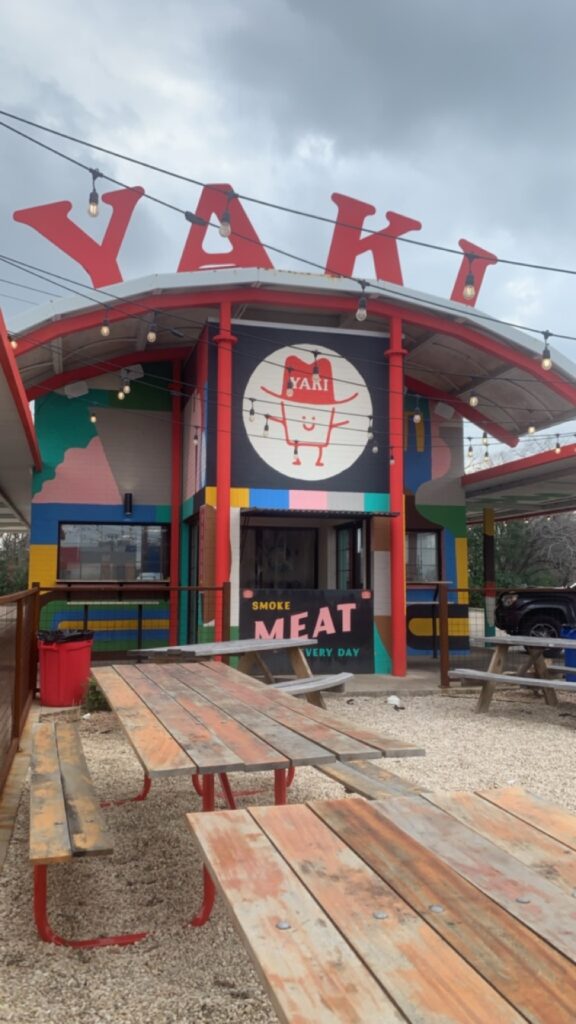
Yaki
For a light-meets-hearty twist, Yaki is a Waco-born “Texas-style teriyaki” drive-in offering rice bowls loaded with smoked meats, rice, and slaw. They even have options for vegans, gluten-free, or vegetarians that are looking to enjoy their guide to Waco. It’s super casual – the restaurant is located in an old Sonic building, and they have the best light smoke flavor.
Saltgrass Steakhouse
This was the first restaurant we visited once restaurants in Texas reopened after the COVID-19 pandemic. If you’re in the mood for a classic Texas steak dinner, Saltgrass Steakhouse delivers with char-grilled steaks, ribs, chicken, and seafood—paired with scratch-made soups, salads, breads, and dessert. Located a bit out from downtown, it’s an excellent choice for a filling family meal or to celebrate something special. With a relaxed ranch-style vibe, solid portions, and friendly hospitality, it’s a reliable spot for good times and full stomachs.
Guide to Waco: Things To Do
Cameron Park
Cameron Park is one of Waco’s treasures, a sprawling 400-acre natural space right in the heart of the city. With its gorgeous landscapes, limestone cliffs, and views of the Brazos and Bosque rivers, it’s a perfect destination for anyone who loves to get outdoors—and the best part? It’s free!
If you’re visiting Cameron Park with kids or want to cool off on a hot Texas day, head over to the Cameron Park Splash Pad. This water play area, situated near the Pecan Bottoms section of the park, is a popular spot for families to unwind and have fun. The splash pad is designed with interactive water features that will keep little ones entertained for hours, while adults can enjoy the shade of nearby picnic areas or stroll along the nearby walking paths. The Splash Pad is open seasonally, so check the park’s website for specific dates and hours.
If you’re looking for an extensive 26-mile trail system that’s ideal for hikers, bikers, and those who want to enjoy a stroll on their guide to Waco, then this is it. The trails vary from easy-going riverside paths to more challenging routes that take you up and over some of Waco’s stunning bluffs.
For adrenaline junkies, there are even technical mountain biking trails, such as Root Canal, which offer an experience through the park’s twists and turns.
If you’re looking for a peaceful walk, the River Trail is my favorite, leading you right alongside the Brazos River for a scenic 5-mile journey. You’ll likely share the trail with joggers, cyclists, and even the occasional horseback rider. Along the way, you can stop by Lovers Leap, a limestone cliff that offers panoramic views of the rivers below—it’s the perfect spot for a rest and some photos.
And don’t miss Jacob’s Ladder at the end of your adventure. This steep staircase is a local legend, with its 88 steps that will get your heart pumping. The views from the top are worth every bit of effort, and there are benches along the way if you need to catch your breath.
The Waco Suspension Bridge
The Waco Suspension Bridge is an iconic feature of Waco’s skyline and a significant part of the city’s history. Opened on January 7, 1870, it was the first major suspension bridge in Texas, serving as a vital crossing over the Brazos River.
Initially, tolls were required to cross the bridge, which didn’t sit well with the locals. To avoid these unpopular fees, McLennan County purchased the bridge in 1889 for $75,000. Later, it was sold to the City of Waco for just $1, with the promise that the tolls would be removed permanently.
The bridge underwent a massive $12.4 million rehabilitation project starting in 2020, which replaced the suspension cables, decking, and anchors, making it safer and sturdier for modern use. When it reopened, the bridge became a pedestrian-only crossing, offering a scenic route for walkers and a peaceful spot to enjoy views of the Brazos River, keeping the sparks of our guide to Waco alive.
Flanked by two parks—Indian Spring Park to the west and Martin Luther King, Jr. Park to the east—the bridge is a perfect stop for anyone exploring the heart of Waco. This area often serves as a venue for festivals, community events, and even private parties, making it a centerpiece of the city.
Kayaking and Paddleboarding on the Brazos River
For those looking to get out on the water, kayaking or stand-up paddleboarding on the Brazos River is an absolute must while checking off your guide to Waco boxes—and it’s free if you’ve got your gear! One of the best places to launch is the Brazos Park East boat ramp, which is clean, easily accessible, and provides a smooth entry into the river. Other launch spots include the Bledsoe-Miller Community Center, McLennan Community College, and Bosque Park boat ramps, all offering great access points to start your adventure.
As you paddle down the river, the views are breathtaking. You’ll glide under the iconic Waco Suspension Bridge and enjoy stunning sights of the Baylor campus from the water. The calm waters of the Brazos make it perfect for both beginner and experienced paddlers.
For the truly adventurous, I’ve met people who’ve taken things up a notch by starting their kayak journey at the Lake Whitney Dam, about 45 minutes north of Waco, and paddled to Austin! It’s a challenging, yet rewarding trip that takes you along some of the most beautiful stretches of the Brazos River.
Branch Davidians Memorial Site
Located at 1781 Double EE Ranch Road, the Branch Davidians Memorial Site is the place for quiet, solemn reflection along our guide to Waco.
The memorial honors those who lost their lives during the Waco siege, a 51-day standoff between the Branch Davidians, a religious group led by David Koresh, and federal agents. The siege, which ended on April 19, 1993, saw the destruction of the compound in a devastating fire, resulting in the deaths of nearly 80 people, including men, women, and children.
Today, although no original buildings remain, the site is open to the public on most days for those who wish to pay their respects. The property is located at the end of a long gravel road, and visitors should be aware that it is considered private property. If the gate is closed, there is no entry for that day.
At the memorial, you’ll find a large stone engraved with the names of the Branch Davidians who perished, as well as trees lining the area as living tributes. One of the few remnants of the original compound is the large in-ground pool, which now holds rainwater.
Across the dirt road, a separate memorial honors the ATF agents who were killed during the initial February 28, 1993, raid, and there is also a tribute to the victims of the Oklahoma City bombing. Here’s more information that links these two events.
While it is free to visit, a donation box is on-site with a suggested donation of $10 per car to help maintain the grounds and memorials.
Homestead Heritage
Just 20 minutes from Baylor, Homestead Heritage offers a peaceful retreat along our guide to Waco, where you can immerse yourself in the art of craftsmanship and sustainable living.
This intentional Christian community, situated on 510 acres of farmland, craft villages, and housing, is home to approximately 1,000 members who are committed to self-sufficiency. When you visit, you’ll step into a world where pottery spinning, yarn weaving, woodworking, and blacksmithing are a way of life.
Walking through Homestead Heritage, you’ll experience the rich aromas of freshly baked goods and witness artisans at work, creating everything from pottery to handcrafted metal tools. Their approach to life emphasizes high-quality, handmade products over mass-produced goods.
As blacksmith James Collins puts it, “It’s gratifying to use something that you made from scratch.” Visitors can see this process firsthand in each of the workshops, where many of the items being crafted are available for purchase.
The community also prides itself on organic, non-GMO, and pesticide-free farming practices, ensuring that the food they grow and share is of the highest quality. From their grains to baking mixes, everything is made with care. As one community member, Annunziato, said, “We know exactly what we’re mixing into all our baking mixes.”
If you want to learn more, be sure to check out the Ploughshare Institute for Sustainable Culture at Homestead, which offers around 120 classes, teaching skills such as woodworking, blacksmithing, basket weaving, and kitchen skills.
On any given day, visitors can wander through the craft village, watch artisans at work, or grab a bite to eat at the Café Homestead (or their coffee shop, or Waco Waffle Co.), all of which feature farm-to-table meals using fresh ingredients grown right on the property.
Check out Spice Village
For anyone who loves to shop, Spice Village is a must-visit destination on your guide to Waco. With over 60 individual boutiques housed within 30,000 square feet, Spice Village has been a staple in the city for more than 20 years. From home goods and unique decor items to trendy clothing, this shopping experience offers something for everyone.
Joanna Gaines of Fixer Upper fame began her home design business with a small booth at Spice Village, making it a fun stop for fans of her style and design legacy.
Each boutique inside offers a unique flair, allowing you to explore a variety of styles, products, and ideas all under one roof. Conveniently located at the corner of 2nd Street and Franklin Ave, Spice Village is just a short walk from the food trucks parked at Indian Spring Park, right along the Bosque River.
Spice Village is open Monday through Saturday from 10 AM to 6 PM and Sunday from 12 PM to 5 PM, so there’s plenty of time to pop in and shop whether you’re just browsing or on the hunt for something special.
The Silos
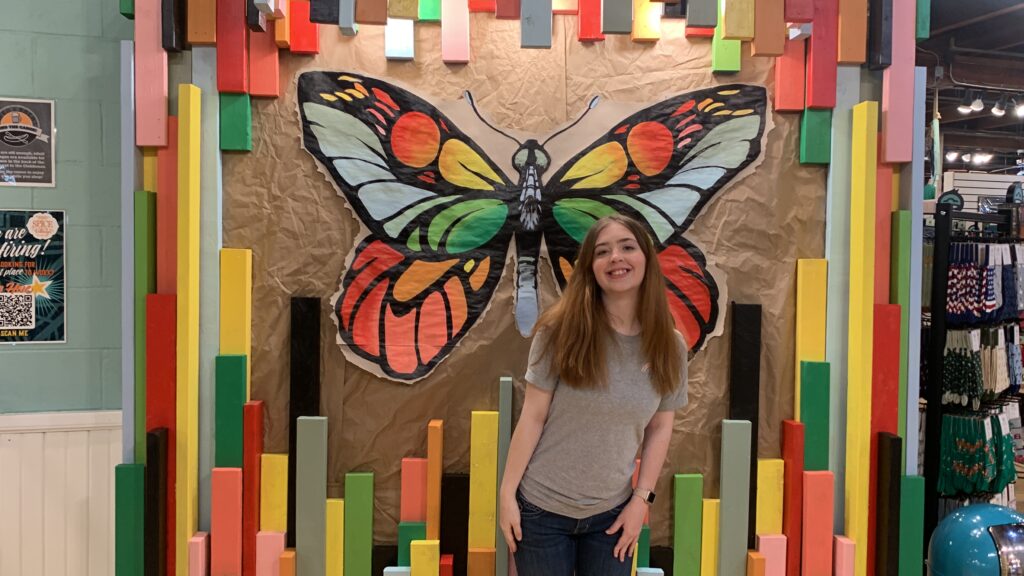
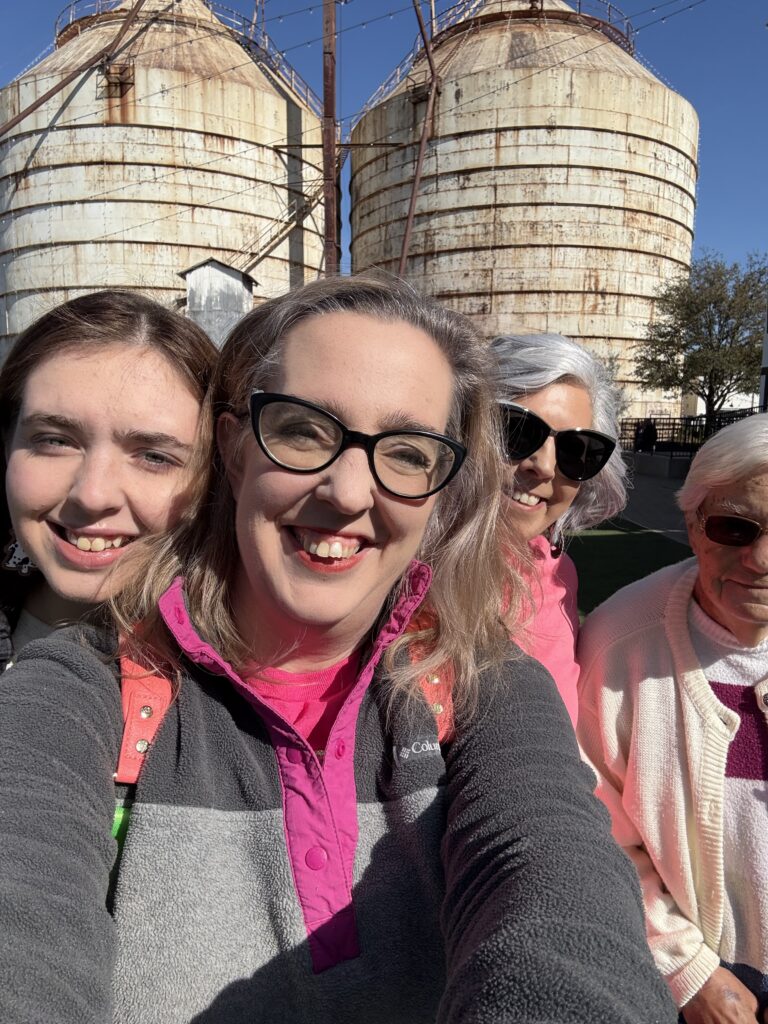
No guide to Waco is complete without a visit to Magnolia Market at the Silos, the beloved shopping complex that spans two city blocks in downtown Waco.
With its towering twin silos—each standing 120 feet tall and originally built in 1950 as part of the Brazos Valley Cotton Oil Company—this iconic destination has become a landmark thanks to Chip and Joanna Gaines, the HGTV stars behind Fixer Upper.
When the Gaineses opened the grounds to the public in October 2015, they not only transformed the silos into a must-visit attraction but also helped revitalize Waco, attracting visitors from across the country.
The complex features a 12,000-square-foot retail store nestled inside the historic grain barn, filled with Joanna’s signature home decor and lifestyle products. But the Silos experience goes beyond just shopping. The grounds also include a food truck park where you can grab a bite to eat at one of the picnic tables, a garden store, and a bakery where visitors line up for freshly baked treats. There’s even a large lawn area, perfect for families to relax and play.
Inspired by the streets of New York City, these six boutique-style stores, each designed with a specific theme in mind, offer a carefully curated selection of goods that reflect Joanna’s unique style. The Silos are open Monday through Saturday from 9 AM to 6 PM.
Wrapping Up Our Guide to Waco
Waco may be known for its small-town charm, but it’s packed with unique, budget-friendly experiences that cater to everyone. From outdoor adventures to historic landmarks and local craftsmanship, I hope this guide to Waco invites you to explore, learn, and unwind in the heart of Texas. So, pack your bags and let’s go!
