
13 Tips for Visiting the San Diego Zoo
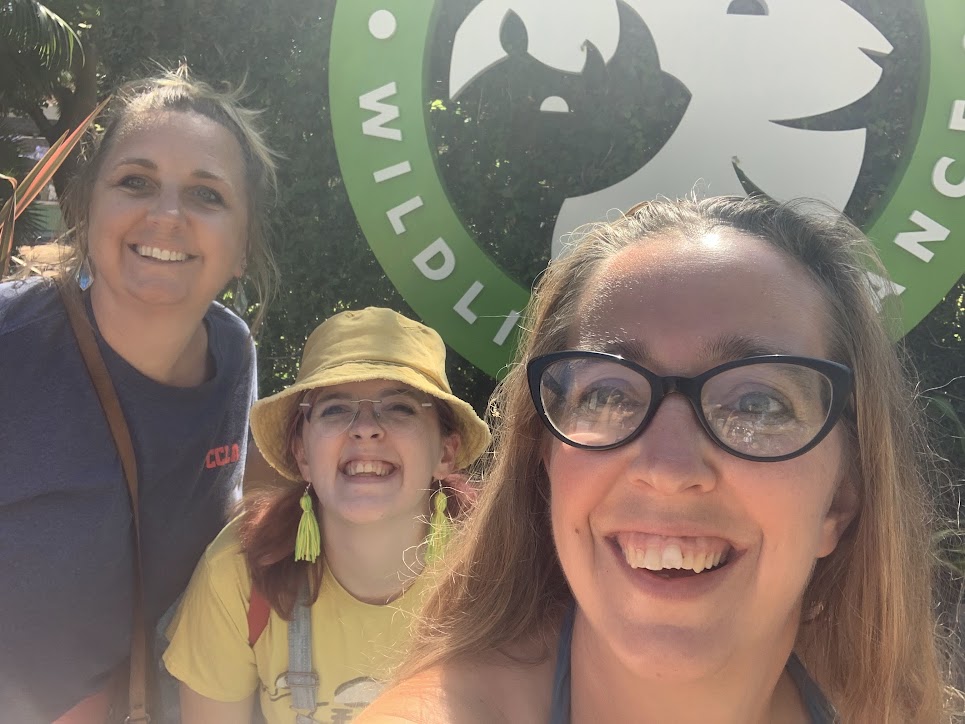
Nevaeh, Lisa, and I went to San Diego in the summer of 2022, and the zoo was high on the list of things to do. There is just so much to see! After several hours of fun and education, we wanted to share our tips for visiting the San Diego Zoo. Let’s dive in!
San Diego Zoo History
After the 1915 Panama-California Exposition wrapped up in Balboa Park, the exotic animals that had been on display were left behind. A San Diego physician and passionate animal lover, Dr. Harry Wegeforth, saw an opportunity and founded the Zoological Society of San Diego in 1916 with the goal of creating a proper zoo where these animals could be cared for and displayed to the public.
What set the zoo apart from the start was its approach to cage-free, naturalistic enclosures, a concept that was way ahead of its time. Instead of animals behind bars, the San Diego Zoo began using moats, rock walls, and lush landscaping to mimic each species’ native habitat.
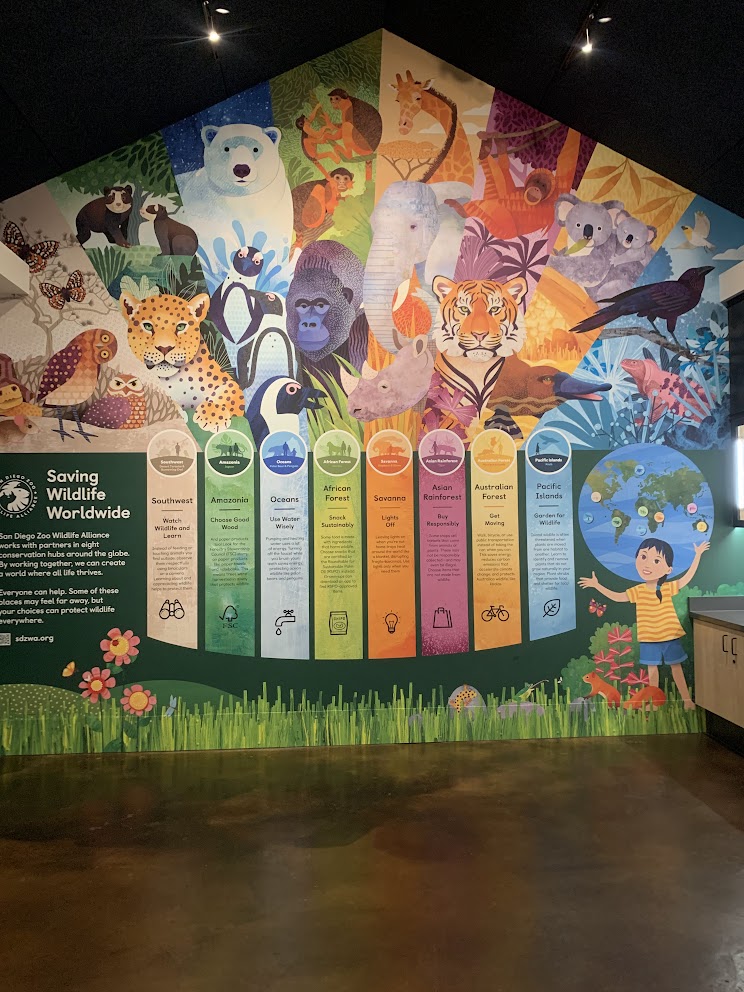
Over the decades, the zoo became a leader in animal conservation and education. It has been home to countless rare and endangered species, which has helped attract millions of visitors over the years. Today, the zoo is part of the San Diego Zoo Wildlife Alliance, which operates both the San Diego Zoo and the San Diego Zoo Safari Park, and supports wildlife conservation efforts worldwide.
Best Time to Visit the San Diego Zoo
If you’re planning a trip to the San Diego Zoo, timing is everything.
Time of Year
Skip the summer rush if you can. June through August is peak tourist season in San Diego, and while the zoo is awesome year-round, those summer crowds can get intense.
Fall is better, especially late September into November. The weather is gorgeous, animals are more active, and the crowds thin out once school starts again.
Bonus tip: October is “Kids Free Month”, which means every paying adult can bring a kid under 11 for free. Additionally, they host a fun “HalGLOween” event that illuminates the zoo in the evenings.
Late winter and early spring—think February or early March—are also great. It’s cooler, quieter, and you’ll avoid the spring break crowd.
Time of day
Now, as far as what time of day to go? Get there early. Like, gates open early. We’re basically rope-dropping here, folks.
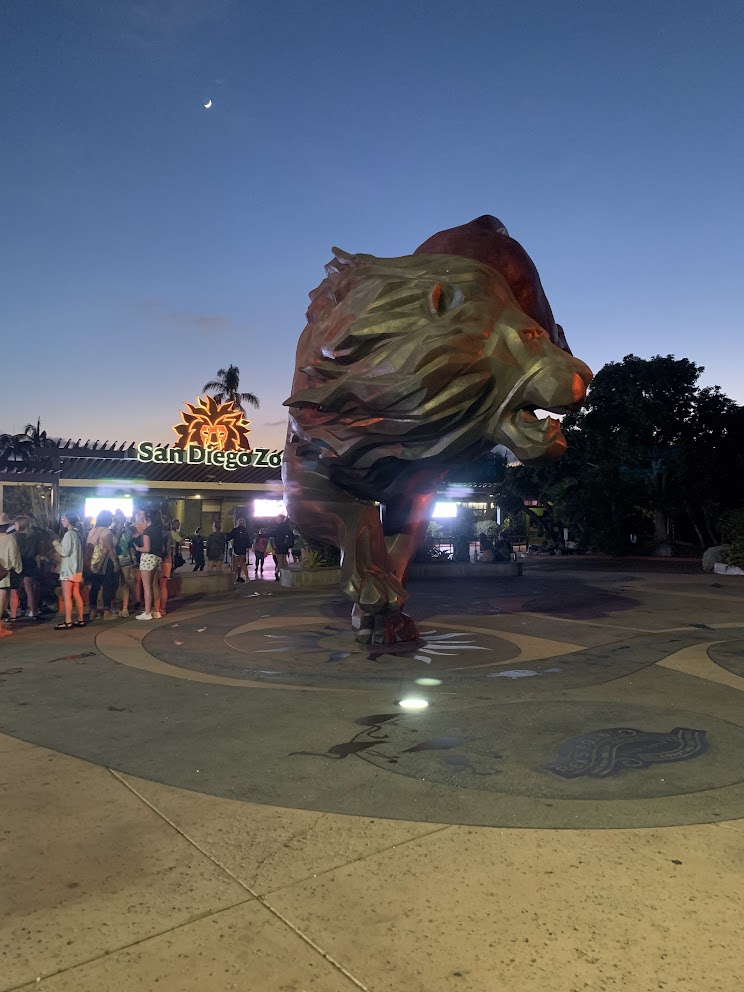
The animals are most active in the morning before the heat settles in, and you’ll beat the long lines for the guided bus tour and Skyfari. If you’re visiting in summer, though, go later in the day to catch the Nighttime Zoo—lots of animals get a second wind once the sun starts going down, and the zoo turns into a whole new experience with live music and evening events.
Oh, and if your main goal is to avoid people altogether? Weekday mornings—especially Mondays and Tuesdays—are your best bet. You’ll thank yourself.
Getting to the San Diego Zoo
Driving and Parking
- Address: 2920 Zoo Dr, San Diego, CA (inside Balboa Park). Just plug it into your GPS.
- Parking: There’s on-site paid parking, but it fills up fast—especially on weekends and during peak hours, per the City of San Diego traffic guidance.
Taking Public Transit
an Diego’s MTS buses make it super easy:
- Rapid 215 and Route 7 run directly from downtown and central San Diego to the zoo, departing every ~15 minutes with stops on Park Boulevard, just by the zoo entrance.
- From Santa Fe Depot (Amtrak/COASTER/downtown): Rapid 215 gets you there in about 14 minutes; Route 7 connects via City College with similarly quick service.
- From other areas (North County, East County, SDSU): You can transfer at City College, Boulevard Transit Plaza, or SDSU Transit Center and still get there in under 35 minutes.
- Cost & convenience: Buses run in dedicated rapid lanes, so you skip the worst of the traffic—and kids 18 & under ride free with the Youth Opportunity Pass.
- Final stop: Get off at Zoo Place on Park Blvd. Then walk about 3–5 minutes to the main gate.
Ride‑Share & Shuttle Options
- Lyft is super popular—just use the main zoo entrance on Zoo Drive for pickup and drop-off. *Side note: I always recommend Lyft over Uber simply because I’ve had a great experience with them. They tend to be more affordable, and the company treats their drivers exceptionally well.
- Balboa Park shuttle: On weekends and some holidays, a free shuttle runs between the Inspiration Point parking lot and the zoo entrance—handy if the lots are packed.
Getting Around at the San Diego Zoo
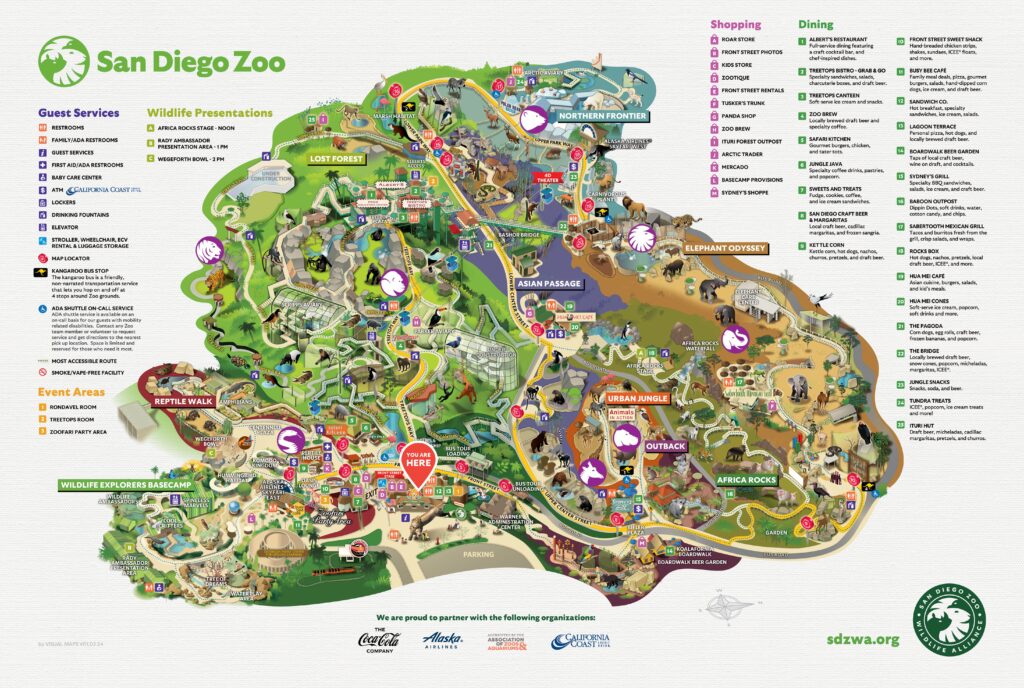
The San Diego Zoo is massive—over 100 acres. It’s easy to feel a little overwhelmed when you first walk in. The good news? With a little strategy (and maybe a bit of grace for those tired feet), it’s doable.
Start by grabbing a map at the entrance or downloading the San Diego Zoo app. The zoo is divided into zones based on geography and habitat, which helps make things a little easier to digest. If you’re a visual planner, the app also features GPS navigation, allowing you to track your current location and plan your next move.
If you’re looking for a way to get a feel for the layout and decide what’s worth exploring on foot, then I recommend taking a guided bus tour. It’s about 35–40 minutes long and takes you on a loop around the zoo, hitting most of the major exhibits.
When you’re ready to move around, don’t forget about the Skyfari Aerial Tram. Not only is it a fun ride, but it also saves you time and energy by getting you from one end of the zoo to the other.
Pacing is everything. There’s no need to rush through every single exhibit. Take breaks, find shady spots to sit, and leave some wiggle room in your schedule.
If you go in with a loose plan and a good attitude, navigating the San Diego Zoo can be just as much fun as the animal encounters themselves.
Must See Exhibits at the San Diego Zoo
Koalas in the Australian Outback
Located in the Australian Outback exhibit, also known as “Koalafornia,” this habitat is specifically designed to resemble the eucalyptus forests koalas thrive in. Visitors can view these marsupials resting in the forked branches of eucalyptus trees, where they spend up to 20 hours a day either sleeping or slowly nibbling on leaves. The zoo’s koala breeding program is internationally recognized and plays a critical role in conservation efforts for this species, which faces increasing threats due to habitat loss and disease in the wild.
Elephants
The Elephant Odyssey exhibit spans more than two acres and provides a modern, enriched environment for the zoo’s herd of African elephants. This exhibit is unique in that it also highlights extinct species that once roamed Southern California, such as mammoths and saber-toothed cats, providing visitors with a glimpse into how the region’s wildlife has evolved. The habitat features large open areas, pools, and enrichment spaces where elephants can roam, socialize, and exhibit natural behaviors. Nearby, an elephant care center provides insight into the zoo’s management practices and veterinary care, highlighting the zoo’s dedication to animal health and welfare.
Asian Passage habitat
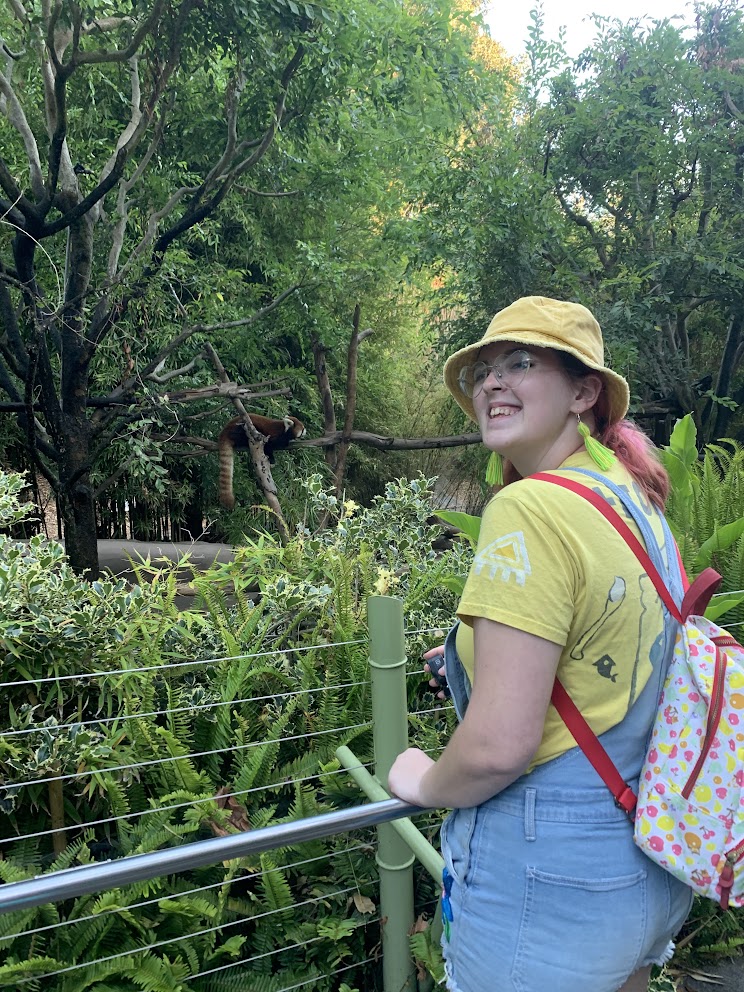
The Asian Passage habitat is home to a diverse range of species from high-altitude forest environments, including snow leopards, takins, and red pandas. This area is carefully landscaped to reflect the animals’ native environments, with lush vegetation and elevated platforms.
One of the most popular animals in this section is the red panda, a small, tree-dwelling mammal native to the eastern Himalayas. The San Diego Zoo welcomed a red panda cub in 2023—the first born there in over 15 years—which has quickly become a guest favorite. Their presence in the zoo is part of a broader conservation effort aimed at protecting this endangered species, whose wild populations are declining due to deforestation and habitat fragmentation.
This was truly one of our favorite sections of the zoo; so much so that Nevaeh got a red panda stuffy that she named Pho (short for photographer- thanks to the gentleman who helped us find the red panda that day!).
Special experiences at the San Diego Zoo
Kangaroo Buses
One of the most helpful features is the Kangaroo Bus, a free hop-on, hop-off shuttle that makes getting around the zoo much easier. With multiple stops throughout the park, it’s a great way to save your legs for the exhibits themselves. You can ride it all day long and get on or off at your convenience.
Skyfari Tram
This was the one item that was super talked up! The Skyfari Aerial Tram offers sweeping views of Balboa Park and beyond. It’s not only a practical way to cross from one side of the zoo to the other, but it’s also a unique and peaceful experience—especially when you catch sight of the treetops, animal enclosures, and even the city skyline. It’s a must-do, especially if you want a new perspective (and a great photo op).
Those pink flamingos though…
My personal favorite part of the trip was the performance by the pink flamingo performers. Our flamingo roamed the zoo in her colorful flamingo costumes, mimicking the birds’ movements and interacting with us in a way that was playful, artistic, and unexpected. It was, without a doubt, one of the most memorable moments of our visit. Her moment of following Nevaeh around left us smiling long after we’d walked away.
Additional Tips for Visiting the San Diego Zoo
Be sure to allot for plenty of time
The San Diego Zoo isn’t something you want to rush. If you’re hoping to cover most of the zoo, plan to spend at least 4 to 6 hours—a whole day is even better. Build in time for rest breaks, animal feedings, and any unexpected detours. Starting early in the day will give you the best chance to see the animals when they’re active and avoid the mid-afternoon heat.
Wear comfy shoes
This tip cannot be overstated: wear supportive, broken-in shoes. The zoo is built on hilly terrain, and you’ll be doing a lot of walking—sometimes uphill, sometimes over uneven pathways. Athletic sneakers or hiking sandals with good grip are your best bet.
And while you’re at it, don’t forget to throw some sunscreen and a refillable water bottle into your bag. San Diego sun can sneak up on you, even when it’s overcast.
food and beverages
The zoo offers a variety of dining options, ranging from quick snacks to sit-down meals, but prices can add up quickly—especially for families. The good news? You’re allowed to bring in your food and non-alcoholic drinks. Whether you pack sandwiches, snacks, or your favorite energy bars, having your food gives you flexibility (and saves a bit of money).
There are picnic areas scattered throughout the zoo where you can stop and enjoy your lunch. If you do decide to eat on-site, Albert’s Restaurant near the Lost Forest is a popular choice with shaded patio seating and a nice menu, while smaller stands throughout the park serve up coffee, burgers, and grab-and-go bites.



Final Tips for Visiting the San Diego Zoo
A day at the San Diego Zoo is a full-on experience that seamlessly blends education and conservation. Whether you’re watching elephants roam, catching a glimpse of a red panda in the treetops, or hopping on the Skyfari for a bird’s-eye view of it all, there’s something for every kind of traveler here.
Want more Southern California activities? Be sure to check out our variety of activities!
