
11 Tips for Planning a Road Trip Effortlessly
In 2001, I went to New Orleans (thanks, mom). While I was there, I bought a book titled “The Bad Girls’ Guide to the Open Road,” and it changed my life. Less than a year later, I took my first road trip, just me, my friends, and whatever we could cram into the trunk.
Over the years, those solo adventures shifted into family getaways, and now I’ve been planning road trips with, and sometimes without, my daughters (aka my lifelong besties) for over two decades. Whether I’m chasing scenic highways or the perfect roadside coffee shop, life on the open road keeps pulling me back.
Road trips offer a kind of freedom that other forms of travel can’t compete with. You choose when to stop, where to go, how long to stay, and what detours to take. It’s not just about getting from Point A to Point B—it’s about what happens in between.
I’m not starry-eyed, though; I recognize that road trips can also come with a few headaches: figuring out how far to drive each day, choosing the best stops, staying on budget, or even just deciding where to sleep for the night.
That’s why I’ve put together my best tips for planning a road trip, based on years of firsthand experience. Whether you’re hitting the open road solo or packing up the car with family or friends, this post will walk you through how to make it all smoother, safer, and more enjoyable.
If you’ve been feeling overwhelmed trying to figure out how to plan a road trip that actually feels like a vacation, you’re not alone. The goal here is to give you confidence and a little inspiration, so your next journey feels intentional, not chaotic. Because when the details are handled ahead of time, you’re free to enjoy the ride.
Choose Your Final Destination
One of the first steps in planning a road trip is deciding where you’re going—sounds obvious, but you’d be surprised how many people skip this part or change their minds mid-route.
Sometimes, you’re doing a round-trip that starts and ends at home with a few fun stops along the way. Other times, you’ve got your heart set on a specific destination and everything else is just a bonus adventure.
If you’re not quite sure where you want to end up, start by asking yourself a few simple questions. What kind of weather are you in the mood for? Do you love bundling up in the mountains or are you dreaming of warm sunshine and beach breezes? Think about how busy a place might be, especially if you’re traveling during a peak season or holiday—crowds can really affect how much you enjoy a location, depending on your personality.
Also, look into any regional events or festivals that might be going on. They can either be a fun addition to your trip or something to avoid, depending on what kind of experience you’re after. If you’re torn between a few locations, list out the pros and cons of each. Sometimes it helps to narrow things down based on your travel goals: Are you looking to relax? Hike? Eat your way through small towns?
No matter where you choose, having a final destination in mind makes it easier to plan your route, stops, and where you’ll rest your head each night.
Decide How Much You Want to Drive Each Day
One of the most overlooked tips for planning a road trip is deciding how many hours you’re comfortable behind the wheel each day. There’s no single “right” number—it depends on your travel style, who’s in the car, and what you want to get out of the journey.
When I was younger and my kids were little, driving 6–8 hours a day didn’t faze us. The girls grew up on road trips, so long drives became part of the adventure. We’d still stop for short detours, a random roadside attraction, a quirky diner, or even just to stretch our legs, but we were fine with covering big chunks of highway in one go.

These days, I keep my drive time closer to 4–5 hours max. It’s not just about comfort; it’s about having enough time to actually enjoy the places I’m visiting instead of pulling in late and feeling too tired to do anything (Craters of the Moon still needs a re-do).
The key is to factor in all the extras that add time to your day: food stops, bathroom breaks, spontaneous photo ops (I still remember the time we stopped at the world’s largest Bowie knife in Bowie, Texas), and those necessary stretch breaks that keep everyone sane. Be honest about your energy level and the patience of your passengers. What worked for me with kids years ago isn’t always what works now, and that’s okay. Goals and pace will naturally change as life changes.
Plan What to See Along the Way
Once you know where you’re starting and where you’re headed, it’s time to fill in the in-between. This is where we get to do the fun stuff.
One of my favorite tips for planning a road trip is to sit down with a map and trace the route between Point A and Point B. I look for major cities, national parks, scenic byways, or anything else that stands out. That gives me a rough framework to start building around.
For example, I’m planning a road trip to Seattle next summer, and even though it’s not directly on the way, I’m planning a stop at Zion National Park. It’s a slight detour (3 hours), but for me, it’s worth it. Sometimes those side trips end up being the highlight of the whole drive.
In addition to Google Maps or Apple Maps, I use a few favorite apps and websites to help plan what to see:
Roadside (also called Roadside America): This one’s great for funky, offbeat stops, think giant dinosaurs, unusual museums, or the world’s largest ball of something. I paid a little extra for the full version, and it’s been worth it.
- AllTrails: If you’re a hiker, this is a must. It helps you figure out trail lengths, elevations, and even reviews from other travelers. I like using it to estimate how much time we’ll need for each hike.
Side note: If you upgrade your version, you’ll be able to download your trail maps, which come in super handy. - Atlas Obscura: This one’s best on desktop in my opinion, and it’s fantastic for finding quirky, unusual places to visit. Brandon liked to use that one a lot, and it helped us find some truly memorable stops over the years.
- Instagram: Yep, good old Instagram. I’ll search a city or location and scroll through recent photos to see what’s worth checking out. You can find hidden gems and up-to-date travel tips that way too.
Sometimes I plan around must-see sights, and other times I leave some space in the schedule for spontaneity. If a spot grabs your attention and it’s a short drive out of the way, go for it. That freedom is one of the biggest perks of road travel.
Book (or Plan) Your Overnight Stops
Where you stay each night on a road trip depends on your goals. Are you the type who wants everything locked in ahead of time, or do you prefer to fly by the seat of your pants and see where the road takes you? I’ve done both, and there are pros to each.
When I went to Seattle recently, I booked our hotels in advance for our stay. It just made sense; we wanted the comfort of knowing we had a clean bed waiting for us. I also prepaid, which helped spread out the trip cost a bit. By the time we arrived, the only thing I had to cover was the $100 hold at check-in, which helped make the budget feel more manageable.
But I’ve also had those nights where it’s 8:00 p.m., we’re wiped, and we just need to find a place to sleep now. In those cases, apps like Hotels.com or HotelTonight can save the day. HotelTonight is especially great for last-minute discounts, and I plan to use it more often.
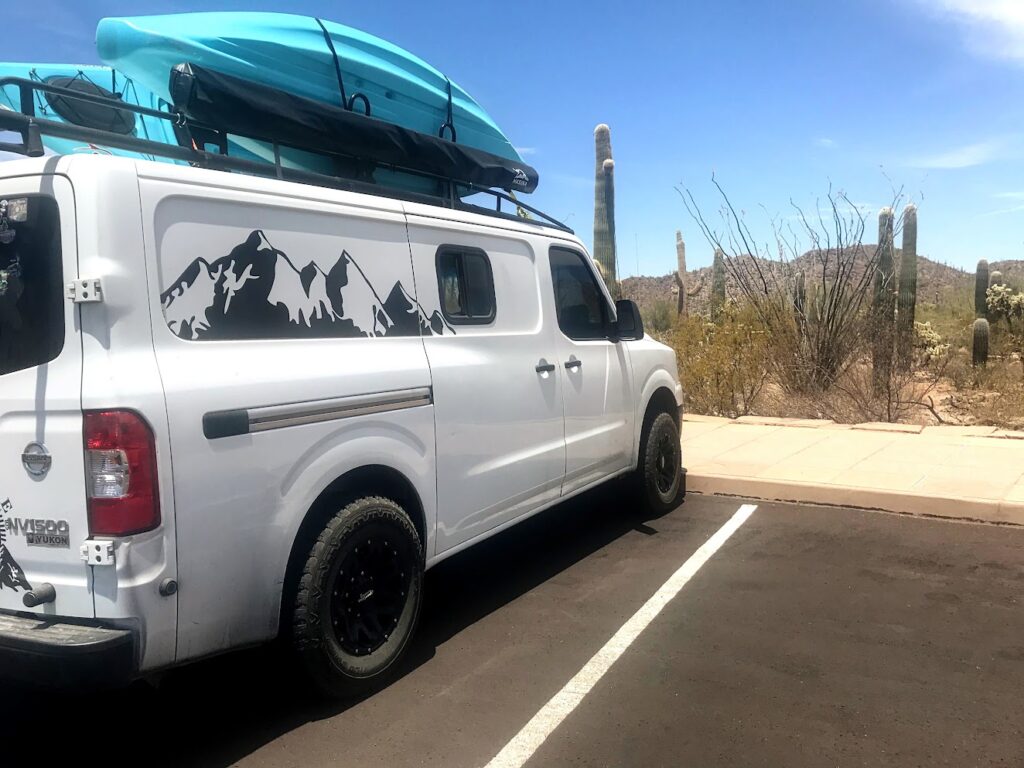
If you’re traveling in a camper van or converted SUV, your options open up even more. Plenty of travelers sleep overnight in:
- Walmart parking lots
- Cabela’s or Bass Pro Shops
- Cracker Barrel (a personal favorite—they often have a little grassy area for pets, too)
- Casinos, which can be surprisingly welcoming to road travelers
You can also look into BLM (Bureau of Land Management) land for free dispersed camping. There are a few good apps that help you find legal and safe places to park overnight, like iOverlander, The Dyrt, or Campendium.
One of the best tips for planning a road trip is to stay flexible when it comes to lodging. If you’re tired, hungry, or something unexpected pops up, permit yourself to shift your plan.
Set a Realistic Budget
No matter how spontaneous your road trip might feel, the best trips usually start with a clear, realistic budget. One of my top tips for planning a road trip is to map out your major expenses before you even put the key in the ignition. That way, you’re not blindsided halfway through when things start adding up.
Start by estimating how much gas you’ll need. Use a tool like GasBuddy or the AAA Fuel Cost Calculator to get a rough idea based on your route and vehicle type. And don’t forget to factor in both directions—unless you’re planning to fly or leave the car behind, you’ll need to budget for the round trip.
Next, break down your costs into categories:
- Lodging: Hotels, campgrounds, or any Airbnb stays
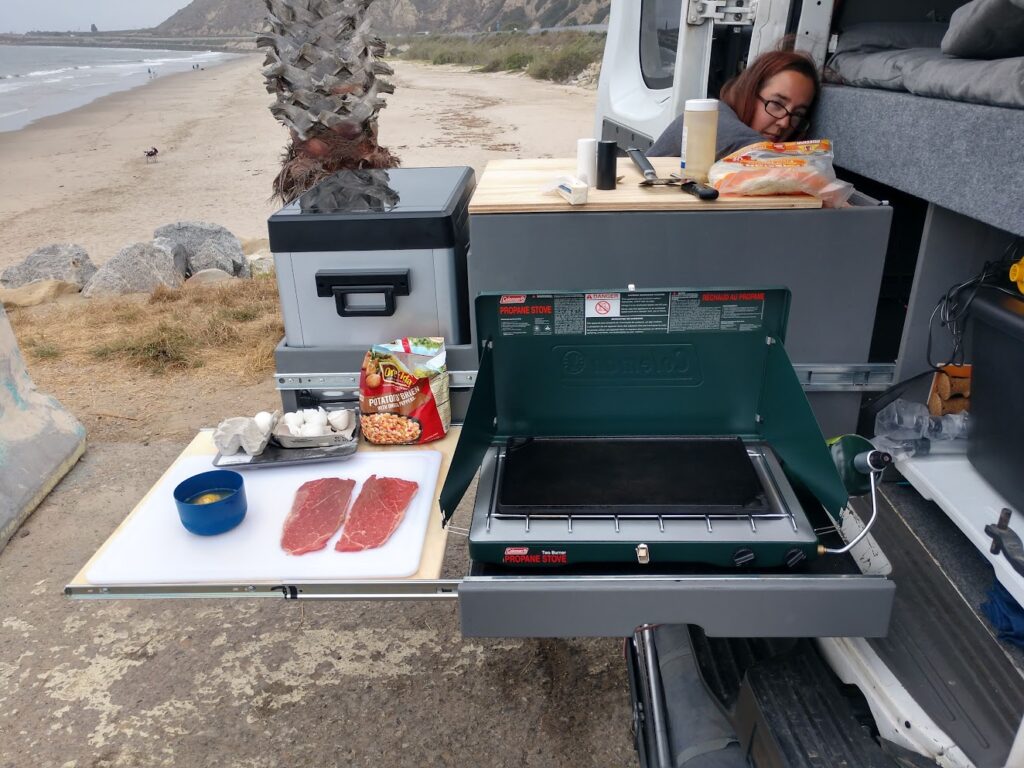
- Food: Eating out, groceries, or cooking your own meals (especially handy if you’re traveling with a camper or van setup)
- Activities: Museum fees, park passes, guided tours, or anything else on your must-do list
- Tolls & Parking: Not glamorous, but definitely something to account for—especially in cities or along major highways
There are also some simple ways to save money on your road trip without feeling like you’re cutting corners.
- Look for budget-friendly lodging or free overnight parking options whenever possible and pack your food so you can cook simple meals along the way.
- If you have hotel rewards points, use them! Brandon used to travel for work and rack up points, and in 2023, we used them to cover a stay at a log cabin with a hot tub for our anniversary.
- Another great tip is to travel midweek or during off-peak months. I once compared prices for a Disney World trip at Christmas versus mid-January, and the cost difference was huge. If your schedule allows for a little flexibility, it can save you hundreds.
Also, leave a little wiggle room in your budget for surprises. Maybe you’ll want to splurge on a special dinner, or you’ll come across an incredible local artist at a farmer’s market. A little extra cushion can make your trip feel more relaxed and a lot more fun
Get Your Vehicle Road-Trip Ready
In all honesty, though, one of your priorities should be making sure your vehicle is in road-trip shape. It’s one of the most essential tips for planning a road trip, because nothing ruins a drive faster than car trouble in the middle of nowhere (Amarillo, 2020 ring a bell girls?).
Start with the basics: check your tires, wiper blades, oil, and fluid levels (coolant, transmission, brake, and windshield washer). Make sure all your lights are working, especially if you plan to drive at night. While a failing battery usually gives you some warning signs, it’s still worth having it tested if it’s more than a few years old, just for peace of mind.
You can always take your car to a mechanic or quick-service shop for a pre-trip inspection, and I highly recommend doing that for longer drives. When we did our first-ever 6,000-mile road trip, we needed an oil change mid-trip. If your trip is going to span more than a few thousand miles, go ahead and build that maintenance stop into your timeline and budget.
You also want to make sure you check that your registration and insurance coverage are up to date. I also highly recommend making sure your plan includes roadside assistance, especially if you’re planning any off-roading or remote camping. A lot of vanlifers make this a priority, and for good reason.
Taking the time to do a thorough check before you leave can save you time, money, and a whole lot of stress down the line.
Pack a Roadside Emergency Kit
A solid roadside emergency kit isn’t just for breakdowns; it’s for the little hiccups that can slow you down or make you uncomfortable.
Here are a few must-haves:
- Jumper cables (or a portable jump starter if you want to be extra prepared)
- First aid kit (bandages, pain relievers, antiseptic wipes—you know the drill)
- Blankets, especially if you’re traveling through colder areas or at night
- Water and snacks, even just a few bottles and granola bars
- Tire inflator or sealant for small leaks
- Multi-tool—you’ll be surprised how often this comes in handy
- Duct tape—seriously, it fixes everything from ripped bags to cracked hoses
I also really recommend picking up a portable solar-powered charger with a built-in flashlight. You can usually find one for under $30, and it eliminates the need for batteries while combining two super useful tools into one.
Also, don’t bury it under your luggage. Keep your emergency kit somewhere you can easily grab it. We store ours on the backside of the passenger seat—easy to reach, even if the trunk is packed tight.
It’s one of those “better to have it and not need it” situations. A little prep goes a long way when you’re out on the road.
Download Everything You’ll Need
Nothing puts a damper on a road trip like losing signal right in the middle of your favorite song—or worse, during a plot twist in your audiobook. One of the easiest tips for planning a road trip that people forget? Download your entertainment before you hit the road.
Breanna always makes sure her Apple Music is fully downloaded so she can keep the vibe going no matter where we are.
I do the same with audiobooks and podcasts; after all, there’s something about listening to a great story while the miles roll by that just feels right. Whether it’s true crime, a comedy show, or a historical deep dive, make sure it’s on your device and not just streaming.
Our personal favorites for things to download ahead of time:
- Playlists (Spotify Premium lets you save them for offline use)
- Audiobooks (Audible is my personal go-to—I always have a few ready)
- Podcasts (grab a few episodes from your favorite series)
- Offline maps (Apple Maps, Google Maps—you can pre-download specific areas)
- Google Translate, if you need language support
If you’re traveling with kids, teens, or anyone hanging out in the backseat of the van, consider bringing a small DVD collection or downloading a few movies to a tablet or laptop. It’s a lifesaver on longer drives, especially when everyone needs a little downtime.
The key is to think ahead about what you might want to listen to, watch, or use, and get it all ready while you’ve still got Wi-Fi.
Prepare and Pack Smart
Packing smart isn’t about cramming everything you own into the car—it’s about making sure the things you actually need are easy to grab when you need them. One of the most underrated tips for planning a road trip is simply having your snacks, supplies, and layers ready without digging through every bag at every stop.
We usually keep a cooler between the front seats, filled with drinks and cold snacks. That way, we can reach them easily without having to pull over or twist around in the seat. We also stash dry snacks in a cubby behind the driver’s side back seat—it’s within arm’s reach, and keeps us from spending a fortune at every gas station.
Here are a few other things I recommend:
- Wet wipes: Great for cleaning your hands, wiping down surfaces, or refreshing your face after a long drive.
- Trash bags: We usually bring a handful of small Walmart bags or little kitchen trash bags. We toss one out every time we stop, and it keeps the car from becoming a disaster zone.
- Paper towels: These are multi-purpose and can be used for drying off, cleaning up spills, and even wiping condensation off the windshield (though it should only be done in dire need, as it creates streaks).
- Dress in layers: This goes for what you pack and what you wear. Leggings, a tank top, and a lightweight sweater work great for fluctuating temps.
- Use bins and organizers: We built our van out with dedicated storage underneath the sleeping area, and it’s made a huge difference in how we travel. Our clothing and gear have clear homes, so we’re not constantly digging around.
It might seem like a small thing, but being organized helps the trip feel calmer. And when everything has its place, you’re not wasting time—or energy—searching for that one missing charger, sock, or bag of trail mix.
Go for the Unexpected
One of the most meaningful tips for planning a road trip is this: leave space for the unexpected. The best memories often aren’t planned; they’re found along the way.
It’s tempting to stick to familiar stops, especially when you’re tired or hungry. And listen, I get it. We once spent Thanksgiving in Big Bend (November 2020), and the only thing open near us by dinnertime was a McDonald’s. So we hit the drive-thru, grabbed burgers, and moved on. Sometimes that’s just how it goes—and there’s no shame in it.
But when you can make a different choice, I recommend opting for places you can’t find at home. Skip the chain restaurants and try that hole-in-the-wall café. Visit the mom-and-pop coffee shop instead of the big-name one on the corner. That’s where you get the flavor of the place you’re in, literally and figuratively.
I think this is why I love local coffee shops so much. They’re never quite the same, and there’s something special about finding a spot that feels like it only exists right there. You’re not just passing through; you’re participating in someone else’s hometown story, and putting extra money back into the local economy.
We had a moment like that during our big 2020 summer road trip. We stopped for a quick restroom break in a tiny town called Guadalajara, California, and stumbled upon a grocery store that completely charmed me.
It wasn’t flashy, but it felt warm and local and real. It’s still one of my favorite memories from that entire trip. Not because we planned it, but because we were open to it.
Apps like Roadtrippers can help you find these hidden gems, but honestly, sometimes you just have to trust your gut. If something looks interesting, pull over. Explore. Those detours often become the best parts of the journey.
Be Flexible—And Expect the Unexpected
Even the best-laid plans come with a curveball or two—and that’s especially true on the road. One of the most essential tips for planning a road trip is to build in some flexibility and embrace the unexpected when it shows up.
When I map out my trips, I like to know roughly how long it’ll take us to get from point A to point B, where we want to stop, what foods we’re craving in a particular city (or even out in the middle of nowhere), and what attractions we don’t want to miss. But as any experienced traveler will tell you, plans change.
You might roll into town starving and decide to skip your carefully researched restaurant because your “grumbly-tumbly,” as we call it, just can’t wait another 30 minutes. Or maybe you hit unexpected traffic and need to stop for the night sooner than planned. Sometimes, you’ll show up to a stop you were excited about only to find it closed, or just not what you expected.
The key is to expect that things won’t always go perfectly. That’s not a failure in planning—it’s just part of travel.
When I went to San Diego in 2022 with Nevaeh and my friend Lisa, I had everything mapped out—our stops, our meals, our activities. But there were several times when what we had planned just didn’t work out. Instead of stressing, we pivoted. I pulled out my phone, searched for something new nearby, and we made the most of it.
At one point, Lisa wanted to do something different than what Nevaeh and I were feeling up for, so we split up for a bit. Nevaeh and I explored our thing, Lisa did hers, and we all met back up later for the next part of the day. It wasn’t what we’d planned, but it worked out beautifully, and we all had a good time.
The truth is, flexibility is what keeps road trips fun. If you cling too tightly to a rigid plan, you risk missing out on the spontaneous joys that only happen when you let the road lead a little. So go into your trip knowing that bumps will happen, but so will beautiful surprises. The best thing you can do is relax, adjust, and enjoy the ride.
Last Minute Tips for Planning a Road Trip
A great road trip is part planning, part instinct, and part grace. You can map out the perfect route, pack all the right snacks, and have a playlist ready for every mood—but some of the best moments are going to be the ones you didn’t expect. That’s the beauty of traveling by car: you’re in charge of the pace, the detours, and the memories you make along the way.
I hope that these tips for planning a road trip give you a solid starting point, but also the confidence to trust yourself when the road doesn’t go exactly as you pictured. You’ve got this. Whether it’s your first time driving cross-country or your fifth trip to your favorite state park, there’s something special about seeing the world through your windshield.
If you’re looking for more inspiration, check out some of our favorite road trip routes, coffee shop stops, or even tips on what to pack for a long car ride.
Now it’s your turn—where are you heading next? What’s your favorite road trip memory, or what are you hoping to discover this time around? I’d love to hear about it in the comments.
Here’s to good roads, great coffee, and the freedom to roam.
